
A Port Connected To History
Bến Nhà Rồng was originally built in 1863 by the French shipping company Messageries Maritimes during the colonial era. At that time, Saigon was rapidly developing into one of the most important trading ports in Southeast Asia. The building served as the headquarters for maritime transportation and international trade between Vietnam and Europe.
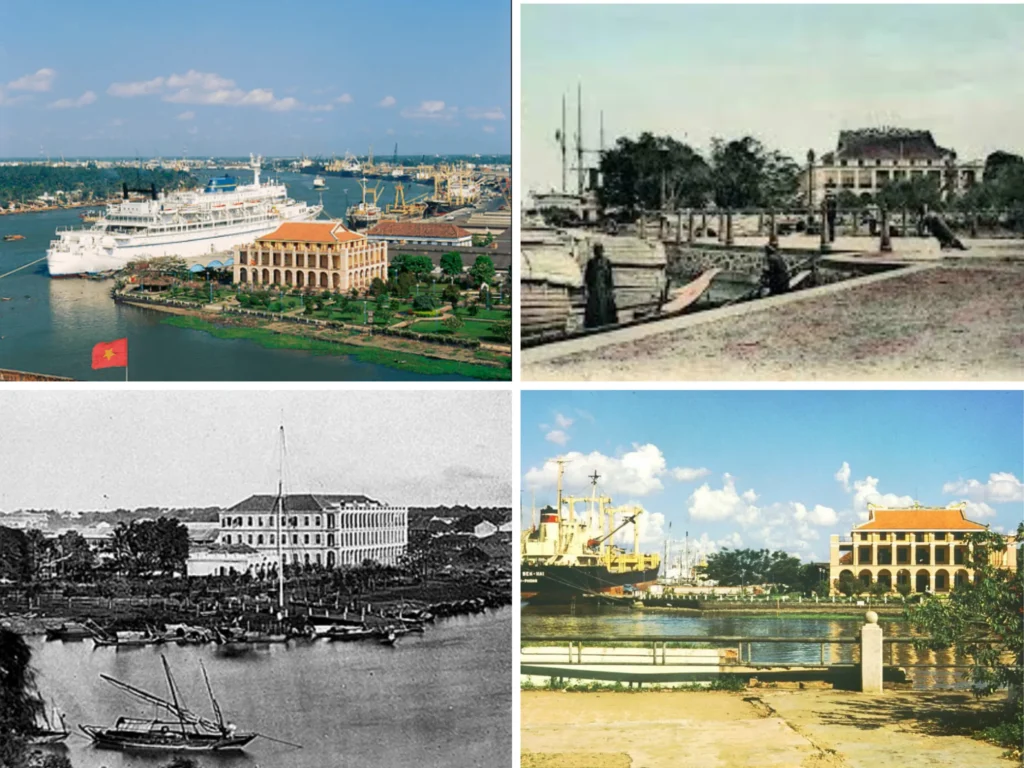
Nha Rong Wharf served as the headquarters for maritime transportation and international trade between Vietnam and Europe
See more: Ho Chi Minh City Hall – The Elegant Heart Of Saigon
The site became historically immortalized on June 5th, 1911, when Nguyễn Tất Thành boarded the French ship Amiral Latouche-Tréville from this very port. Working as a kitchen assistant on the ship, he began a 30-year journey across many countries before eventually returning to lead Vietnam’s independence movement.
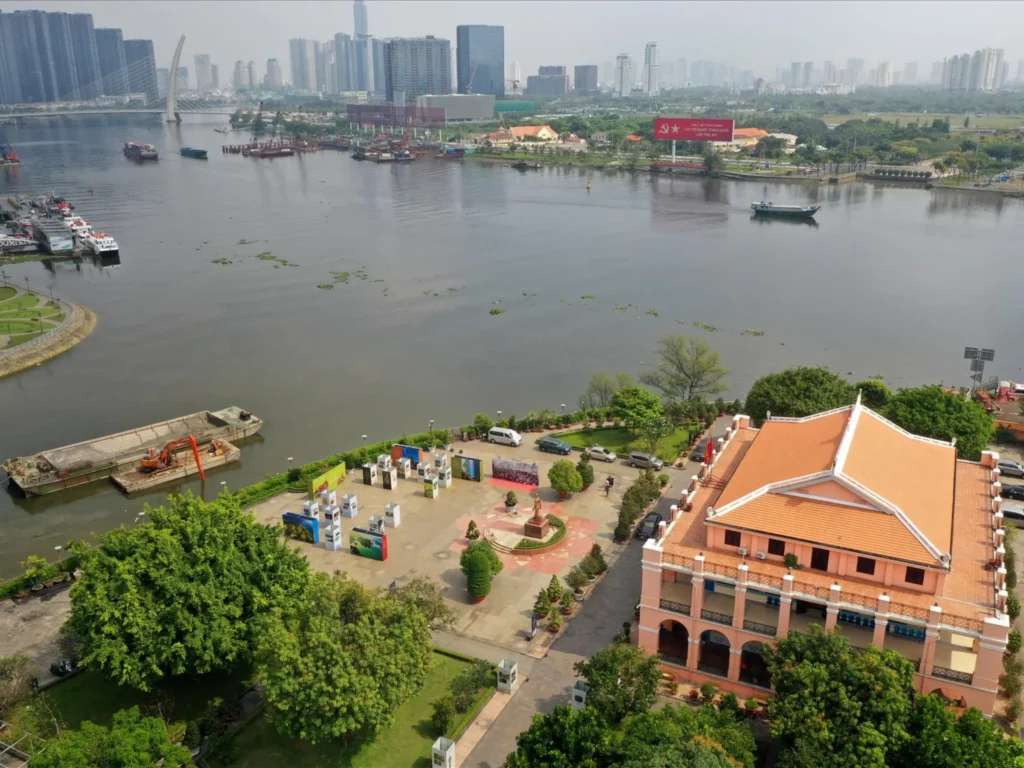
In the distance is the Ba Son Bridge connecting District 1 and District 2 (on the right)
After 1975, the building was transformed into the Hồ Chí Minh Museum branch in Ho Chi Minh City, preserving thousands of photographs, documents, and artifacts related to his life and Vietnam’s revolutionary history.
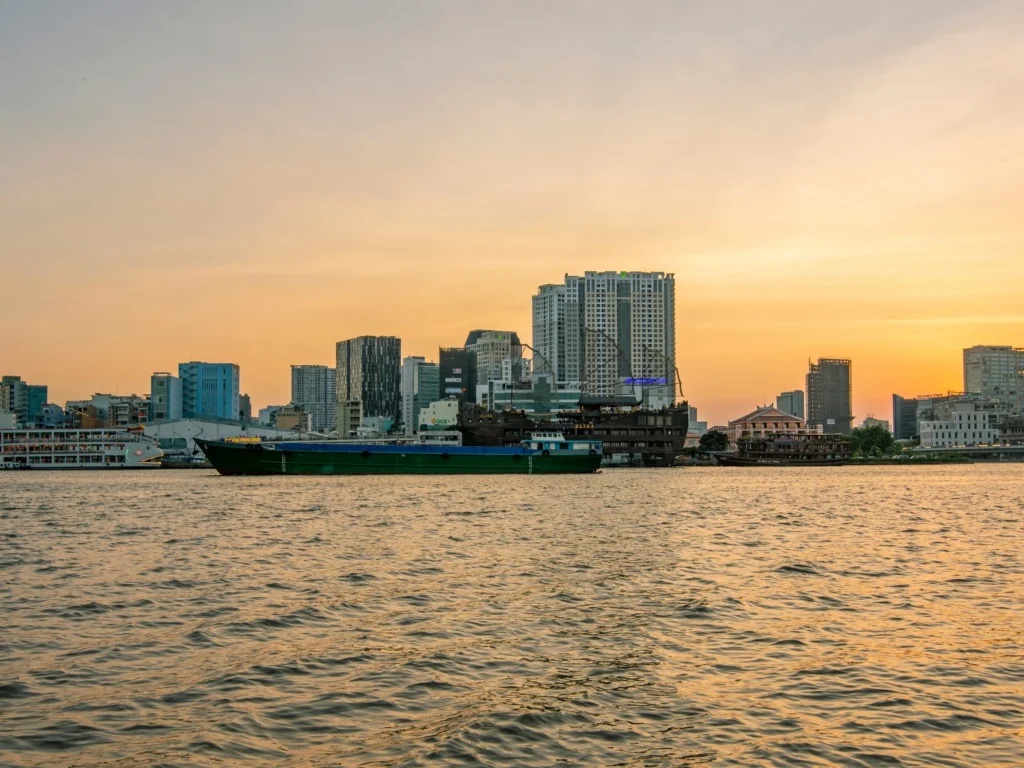
Nha Rong Wharf under the early morning mist, as Saigon awakens after a good night’s sleep
Architecture By The River
One of the most distinctive features of Bến Nhà Rồng is its unique blend of French colonial architecture and traditional Asian symbolism. The building showcases elegant European design with symmetrical arches, high ceilings, and refined decorative details typical of the late 19th century.
Its name, “Nhà Rồng” (Dragon House), comes from the pair of ceramic dragons mounted on the rooftop, facing the moon in traditional Vietnamese style. This subtle cultural fusion reflects the meeting point between East and West during Saigon’s colonial era.
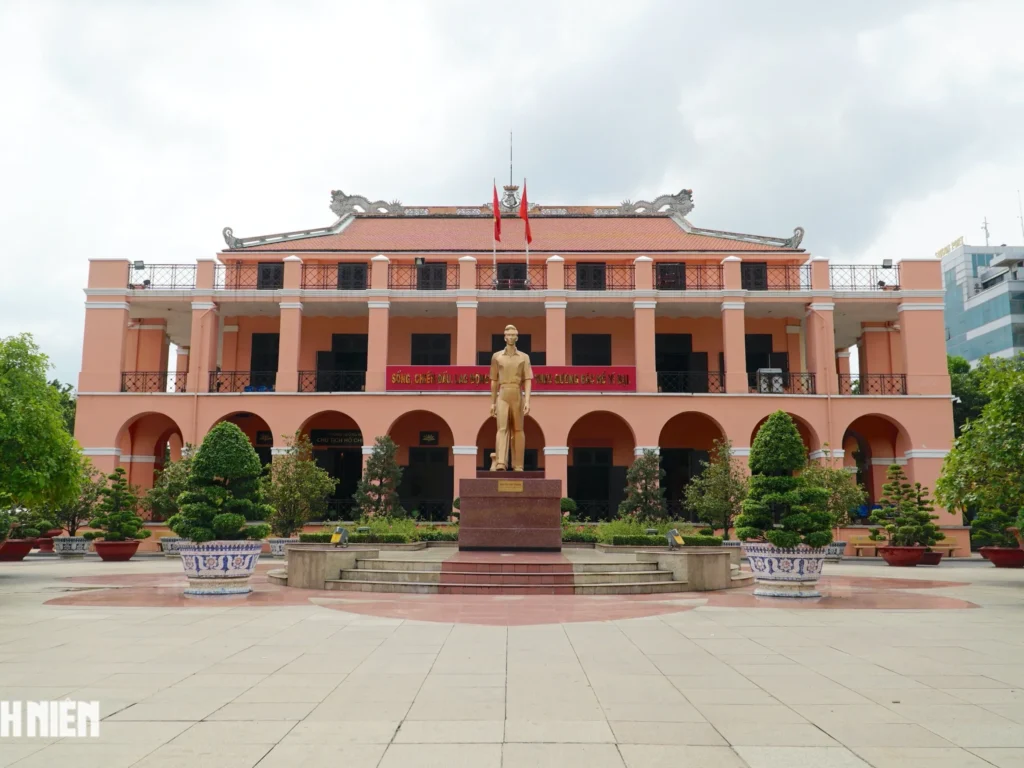
Its name, “Nhà Rồng” (Dragon House), comes from the pair of ceramic dragons mounted on the rooftop, facing the moon in traditional Vietnamese style
Standing beside the river, the building becomes especially beautiful in the late afternoon, when sunlight reflects across the water and the skyline of modern Ho Chi Minh City rises quietly behind this historic structure.
See more: Bach Dang Wharf – Where Saigon Meets The River
Cultural Meaning & Local Reflection
For many Vietnamese people, Bến Nhà Rồng is more than a museum – it represents the courage to leave behind familiarity in pursuit of something greater. The story of a young man departing with little more than hope continues to inspire generations today.
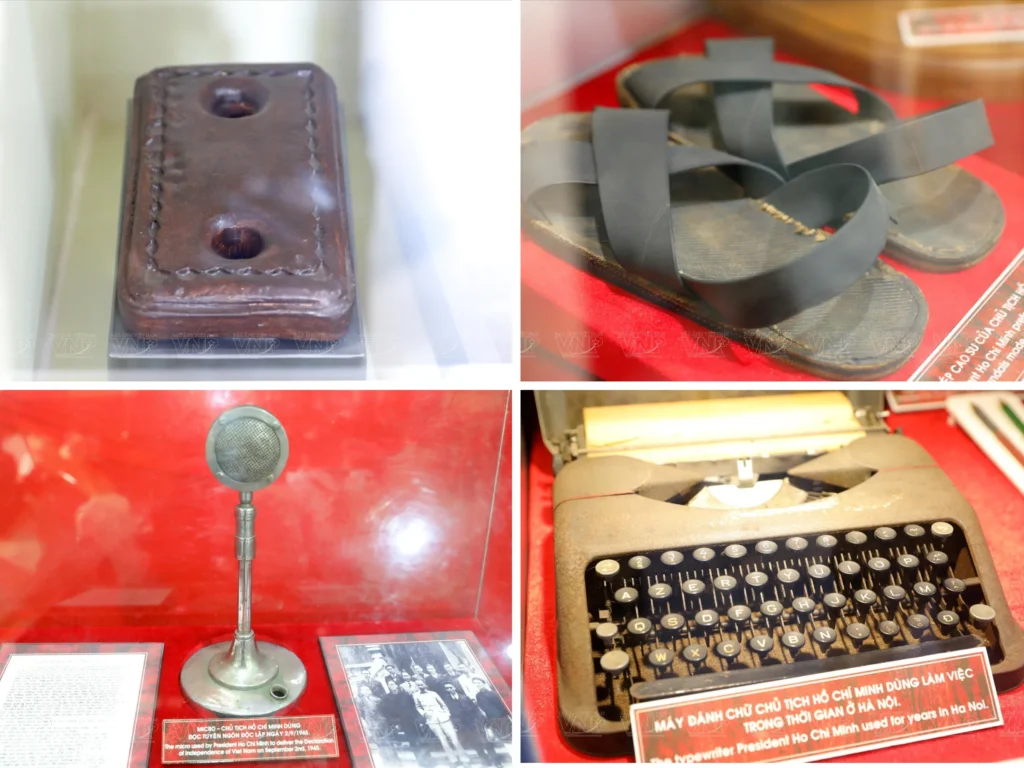
Relics that President Ho Chi Minh once used
For locals in Saigon, the riverside area surrounding Bến Nhà Rồng also carries a softer emotional atmosphere. In the early mornings and evenings, people gather here to walk, enjoy the breeze from the Saigon River, and observe the contrast between old Saigon and the rapidly changing modern city.
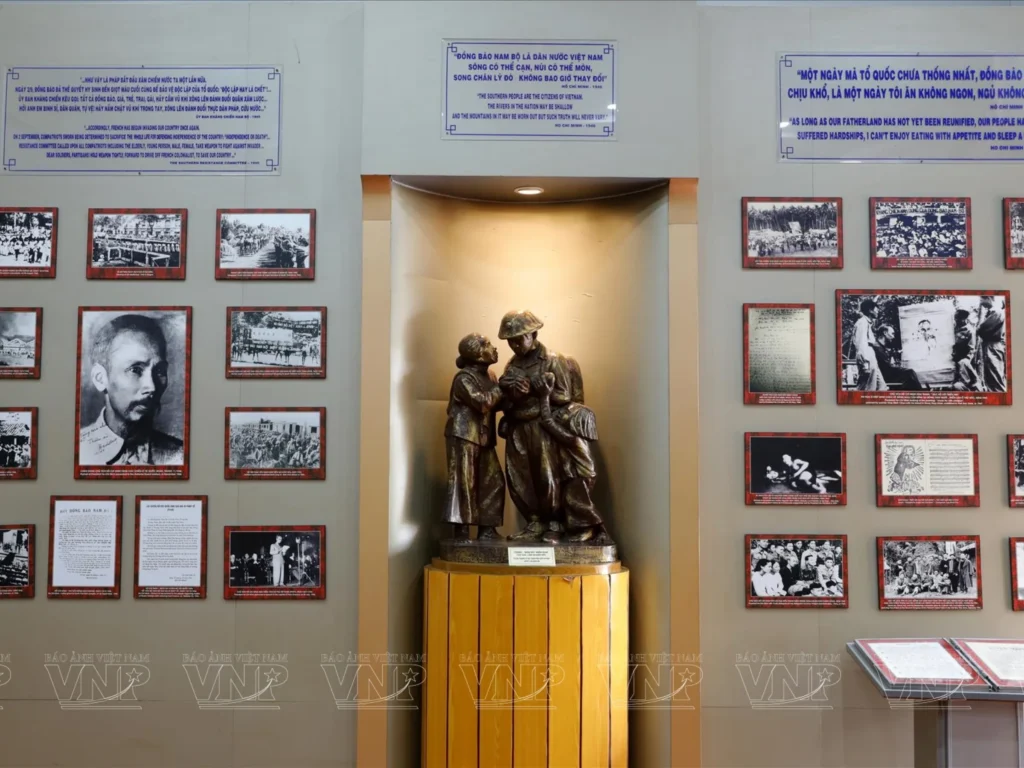
The Ho Chi Minh Museum – Ho Chi Minh City Branch is divided into themes related to the life and career of President Ho Chi Minh
Visitor Information
- Location: The Nha Rong Wharf is located in District 4, near by Nguyen Tat Thanh bridge.
- Opening Hours: The museum is generally open daily from morning to late afternoon, though schedules may vary slightly during public holidays and special events. Visitors are encouraged to check updated information before arriving.
- Entry Fee: Entrance fees are usually affordable for both domestic and international visitors, making it an accessible cultural destination in Ho Chi Minh City.
- Best time to visit: Early morning and late afternoon are ideal times to visit, especially if you want to enjoy cooler weather, riverside views, and softer lighting for photography.
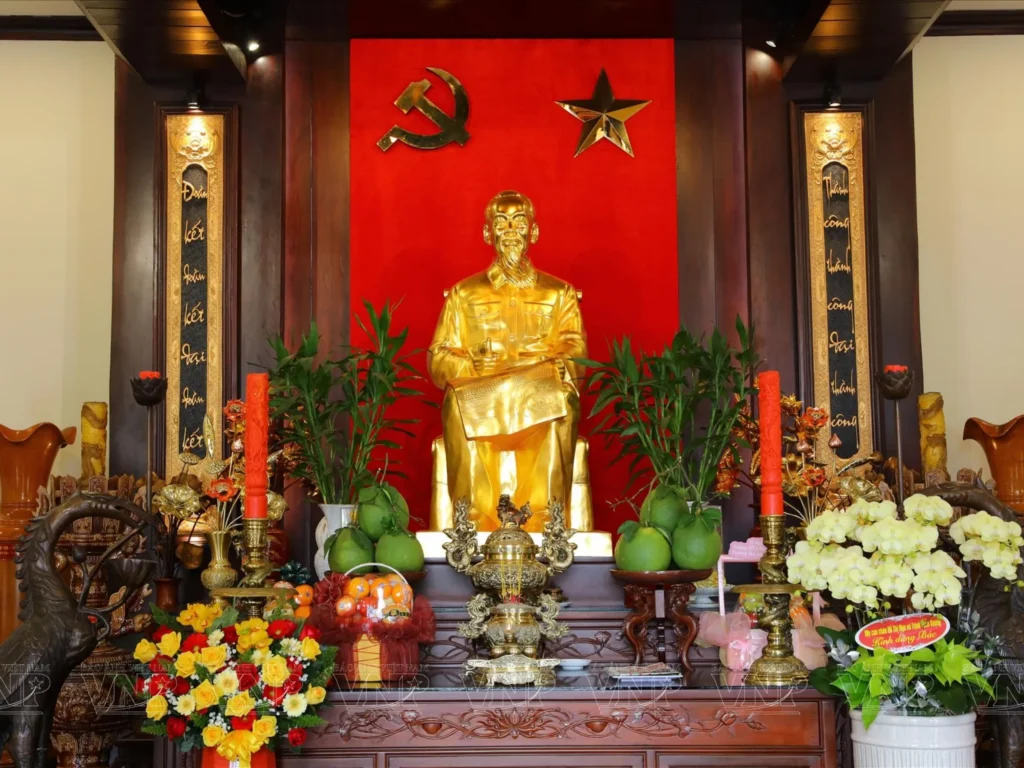
The Ho Chi Minh Memorial Area at the Museum
See more: Saigon Central Post Office – A Timeless Landmark In The Heart Of Ho Chi Minh City
Things to Do & Experiences
While many people come simply to enjoy the scenery, Bach Dang Wharf offers a variety of memorable experiences:
- Explore historical exhibits: Discover photographs, personal belongings, and stories related to Hồ Chí Minh’s journey and Vietnam’s struggle for independence.
- Admire the riverside scenery: Enjoy views of the Saigon River while observing the contrast between heritage architecture and modern skyscrapers.
- Photography & storytelling: The building’s architecture and historical atmosphere create excellent opportunities for photography and meaningful storytelling.
- Reflect on personal journeys: Many visitors find themselves thinking about dreams, ambition, and the courage to begin something unknown.
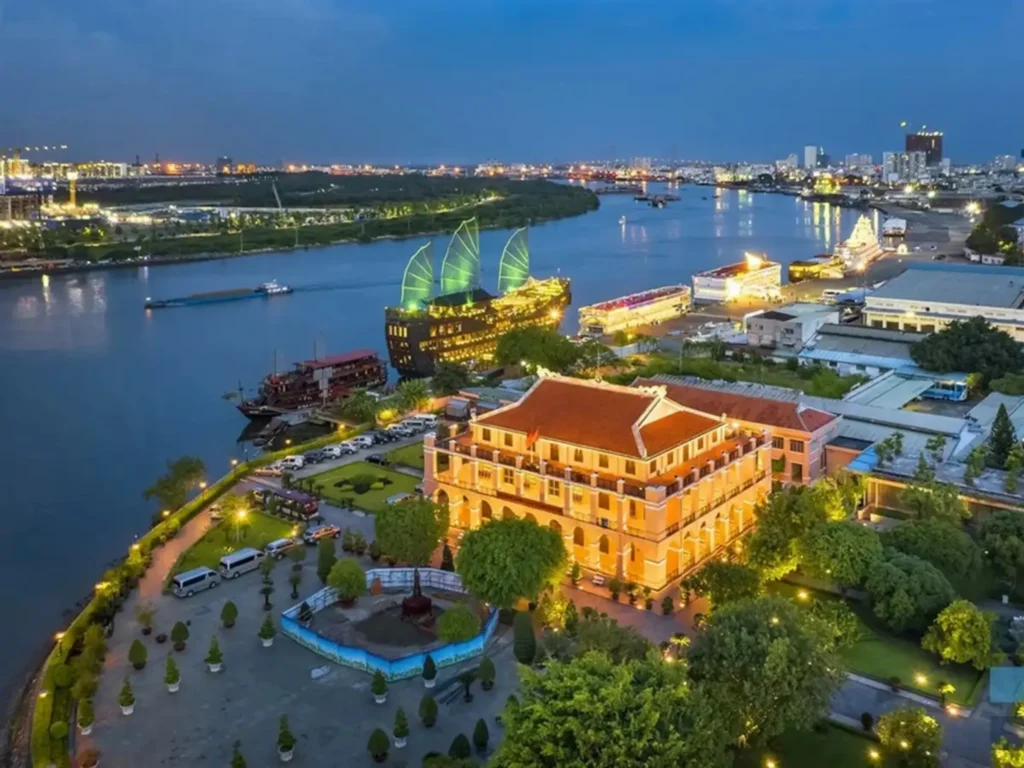
When Saigon lights up at night, Nha Rong Wharf also shines brightly beside the river of life
More than a historical monument, Bến Nhà Rồng tells a deeply human story – the story of departure, hope, sacrifice, and vision. Whether you come for history, architecture, photography, or quiet reflection, this riverside landmark offers a meaningful glimpse into the spirit of Vietnam and the soul of old Saigon.