
9 Traditional Vietnamese Folk Games That Bring Back the Joy of Childhood
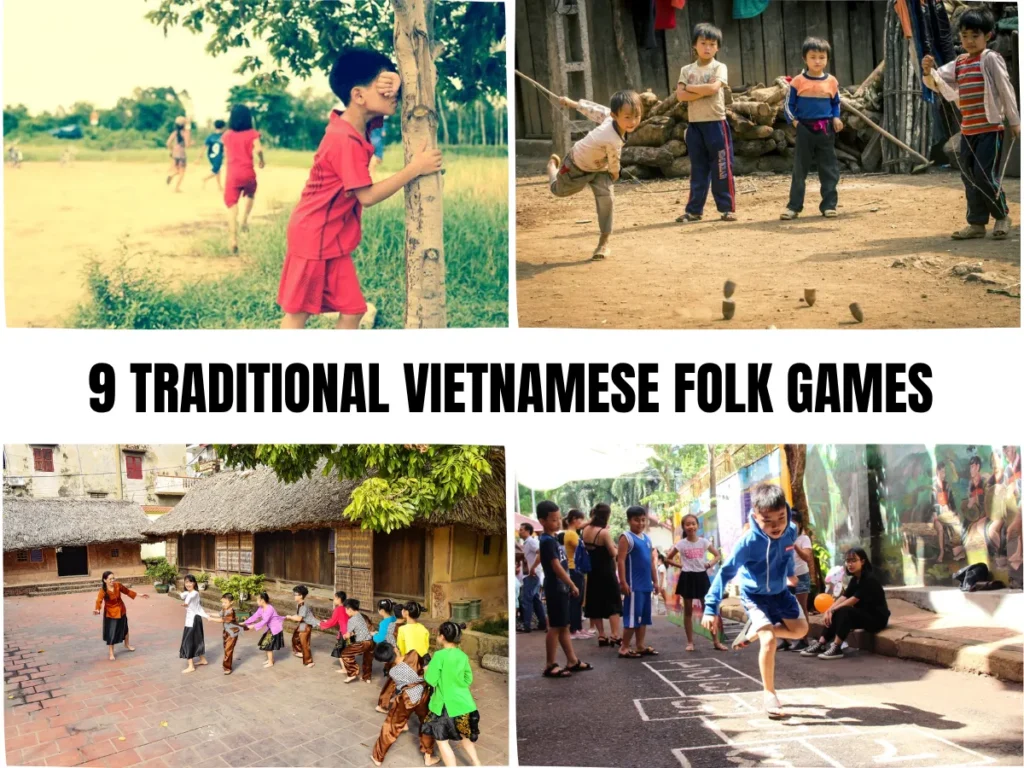
When you travel through Vietnam, you’ll quickly notice that the country’s charm doesn’t just lie in its landscapes, food, or ancient temples – it’s also hidden in the laughter of children playing simple yet delightful games that have lasted for generations.These folk games are more than just pastimes; they’re tiny windows into Vietnam’s spirit – creative, communal, and endlessly joyful. Here are nine traditional Vietnamese folk games that will make you smile, maybe even want to join in! Table of Contents 1. Tug of War (Kéo co) Imagine a dusty village square, the air filled with cheering, as two teams grip a long rope and pull with all their might. Tug of war is a classic game played across Vietnam during festivals or school events.It’s a test of strength, teamwork, and rhythm, but also a symbol of unity – everyone pulling together for a common goal. Whether you win or lose, you’ll always end up laughing and maybe a little bit sweaty! See more: 9 Things That Shock Foreigners in Vietnam – But Are Totally Normal for Vietnamese People Feel the strength, unity, and laughter as teams pull together in Vietnam’s thrilling Tug of War! 2. Mandarin Square Capturing (Ô ăn quan) This ancient Vietnamese board game requires more brains than brawn. Played by two people using small pebbles or seeds on a board drawn in the dirt, it’s all about strategy, quick thinking, and patience.Each move feels like a mini battle of wits, as players count and capture their opponent’s “mandarin squares.”Many Vietnamese adults still remember kneeling on the ground, completely absorbed in this simple yet brilliant game. Count, plan, and conquer – experience Vietnam’s timeless strategy game, the captivating Mandarin Square! 3. Jump Rope (Nhảy dây) No schoolyard in Vietnam is complete without a skipping rope.Children jump in rhythm – one, two, three – sometimes even adding songs or creative moves. It’s a perfect combination of fun, fitness, and friendship.The best part? You don’t need fancy equipment – just a rope, some friends, and an open space filled with laughter. Hop, laugh, and fly with friends – feel the joyful rhythm of Vietnam’s jump rope game! 4. The Dragon and Snake Game (Rồng rắn lên mây) This is one of the most joyful and musical folk games in Vietnam.Kids form a long line, holding each other’s waists to create a “dragon” or “snake,” led by one child playing the “head.” They sing traditional rhymes as they weave and chase the “doctor” at the front.It’s a lively game that celebrates teamwork, rhythm, and imagination, turning any schoolyard into a scene of pure happiness. Run, laugh, and chase the dragon’s tail – feel Vietnam’s childhood joy in The Dragon and Snake Game! 5. Hide and Seek (Trốn tìm) Simple, universal, and timeless – hide and seek is loved all around the world, but in Vietnam, it often takes on a special charm.Children hide behind banana trees, clay jars, or under stilt houses while one person counts with their eyes covered.The thrill of being found (or not!) never gets old. It’s a game that connects kids across generations and reminds us of the innocent excitement of childhood. See more: What Foreigners Should Do When Dining with Vietnamese People Hide, seek, and giggle – relive the timeless childhood thrill of Vietnam’s playful Hide and Seek! 6. Shuttlecock Kicking (Đá cầu) Walk through any Vietnamese park in the morning and you’ll see people – young and old – gracefully kicking a feathered shuttlecock in the air using their feet.This traditional sport combines balance, agility, and style. Players can keep the shuttlecock flying for minutes without letting it touch the ground, often forming small circles to challenge each other.It’s not just a game; it’s a daily ritual of energy, friendship, and community life. Kick, spin, and soar – feel the vibrant energy of Vietnam’s favorite shuttlecock kicking game! 7. Hopscotch (Nhảy lò cò) Draw some boxes on the ground with chalk, grab a small stone, and start hopping – that’s how a Vietnamese hopscotch game begins.Players balance on one leg as they move through the squares, picking up their stone without stepping on a line.It looks easy, but it takes precision, focus, and balance – and the laughter when someone wobbles and falls is half the fun!This simple game has taught generations of children patience and coordination. Hop on one foot, balance with joy – relive Vietnam’s playful spirit through the classic Hopscotch game! 8. Can Knockdown Game (Tạt lon) If you grew up in Vietnam, you probably remember the sound of clanging cans and excited shouts.Tạt lon – literally “can hitting” – is a favorite among kids in rural areas. Players use a sandal or small stone to knock over a stack of empty cans.Once the cans tumble, one team rushes to rebuild them while the other tries to stop them.It’s chaotic, funny, and full of friendly competition, turning any dusty alleyway into a lively playground. Aim, throw, and dash – experience Vietnam’s thrilling childhood game of speed, skill, and laughter! 9. Spinning Top Game (Đánh cù / Đánh quay) There’s something magical about watching a wooden top spin endlessly on the ground.In the traditional đánh cù game, players wind a string around the top and throw it skillfully to make it whirl. The one whose top spins the longest – or knocks out the opponent’s – wins.The buzzing sound and circular motion seem simple, yet they capture the craftsmanship, precision, and playful spirit that define Vietnamese folk culture. Spin, strike, and cheer – feel the excitement of Vietnam’s traditional spinning top game, Spinning Top Game! Why These Games Matter In today’s digital age, where children spend more time with screens than with each other, these folk games remind us of a simpler time – when laughter echoed through courtyards, and friendships were built through play.Each game carries a piece of Vietnamese culture: creativity, community, and joy in simplicity. They don’t need technology, money, or fancy equipment – just people, imagination, and
9 Things That Shock Foreigners in Vietnam – But Are Totally Normal for Vietnamese People
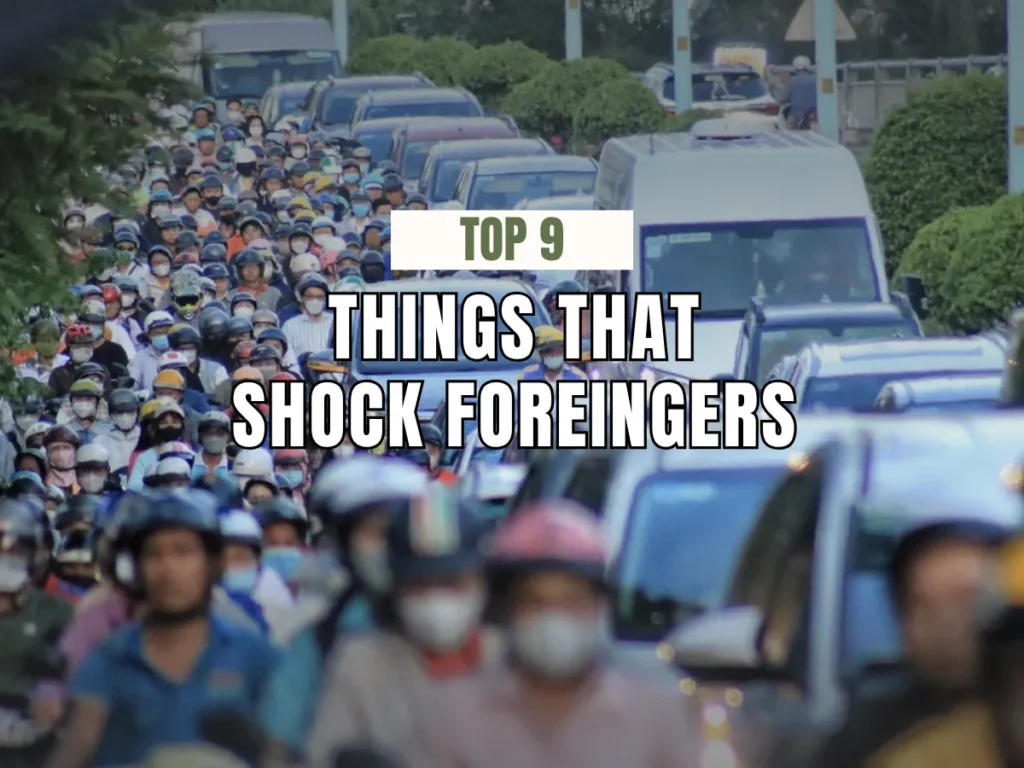
Come to Vietnam and prepare for the ultimate culture shock: chaotic traffic that somehow flows, strangers asking your age, coffee that could wake the dead, and street food so good you’ll forget every table manner you ever learned! Table of Contents 1. Street food dining is a luxury experience Tiny plastic stools, food served on the sidewalk, and steam rising from a pot of noodles – it may look simple, but it’s the heart of Vietnamese cuisine. Foreigners are shocked by how delicious and cheap everything is! See more: 9 must-do things in Saigon 2. The “chaotic” traffic that somehow works Motorbikes fill every inch of the road, horns never stop honking, and people cross right in the middle of moving traffic – total chaos to a foreigner. But to locals, it’s an unspoken system that works perfectly. Everyone just flows and somehow, no one crashes. 3. Vietnamese coffee is “no joke” Forget your usual latte – Vietnamese coffee is thick, sweet, and extremely strong. One sip of cà phê sữa đá can keep you awake all day. For locals, it’s the morning ritual. For foreigners, it’s a caffeine bomb. 4. Sharing food from the same dish In Vietnam, meals are about togetherness. Everyone uses their own chopsticks to pick food from shared plates. It’s a gesture of warmth and trust – though many foreigners find it a bit… unhygienic. 5. Personal questions are friendly, not rude “How old are you?”, “Are you married yet?”, “How much do you earn?” – these might sound intrusive elsewhere, but in Vietnam, they’re simple ice-breakers. Asking means you care and want to connect. 6. Strangers love to hold and play with babies In many countries, touching someone’s child is off-limits. In Vietnam, it’s a sweet and genuine way to show affection. Locals adore babies – and everyone’s a potential babysitter. 7. Napping anywhere, anytime Office workers, shopkeepers, drivers – everyone takes a quick nap after lunch. Under the table, on a motorbike, or even on the sidewalk. It’s a true Vietnamese superpower: the ability to sleep anywhere. 8. Bathing and doing laundry in open spaces In many towns or rural areas, it’s normal to see people showering or washing clothes outside. It’s just daily life – nothing to be embarrassed about. But for foreigners, it’s definitely a culture shock. 9. Deep respect for ancestors and spirituality Most Vietnamese homes have an altar for their ancestors. People burn incense on the first and fifteenth day of the lunar month, and make offerings during holidays. To outsiders, it may seem mysterious – but for Vietnamese people, it’s a sacred way to stay connected to family and tradition. And that’s what makes traveling here so fascinating – the everyday details that reveal the heart and soul of Vietnamese culture. ♥ Saigonbiketours – Food Tour In Saigon ♥
What Foreigners Should Do When Dining with Vietnamese People
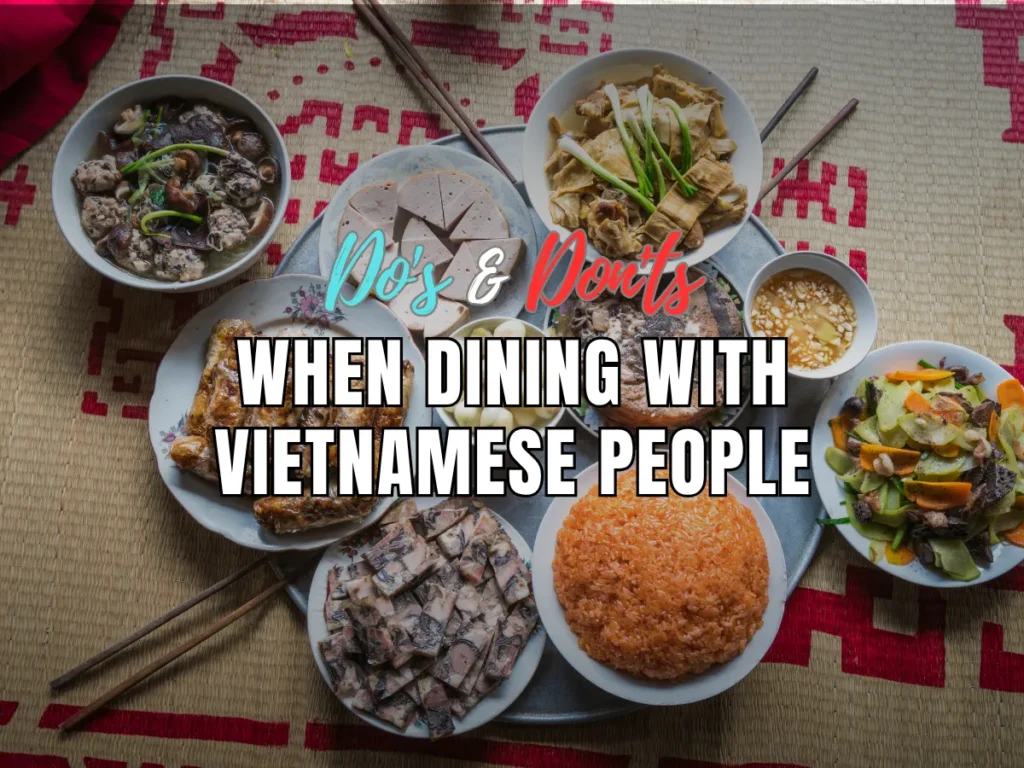
Sharing a meal in Vietnam is more than just eating together – it’s an important social and cultural experience. The way you behave at the table shows your respect, appreciation, and willingness to connect. Here are some essential tips for foreigners dining with Vietnamese people. Table of Contents 1. Wait to Be Invited Before Eating In Vietnam, it’s polite to wait until the host or the eldest person at the table says, “Mời cả nhà ăn cơm” (“Please enjoy the meal”) before you start eating.You can reply with a friendly “Cảm ơn, mời cả nhà!” (“Thank you, please enjoy too!”). It’s a simple gesture that shows respect and cultural awareness. See more: 9 must-do things in Saigon 2. Use Chopsticks Properly Chopsticks are an essential part of Vietnamese dining culture.Hold them near the top, not the middle or bottom, and never stick them upright into a bowl of rice – this resembles incense sticks at funerals and is considered bad luck.When sharing dishes, take food from the top of the plate, and don’t dig around to find the best pieces. 3. Share Dishes Gracefully Vietnamese meals are usually served family-style, with all dishes placed in the center of the table for everyone to share.If you’d like to offer food to someone else, it’s a kind gesture – but remember to use a clean spoon or the other end of your chopsticks to serve them, not the end you’ve eaten from. 4. Compliment the Food Vietnamese hosts truly appreciate compliments about their cooking.Simple phrases like “It’s delicious!” or “This dish is amazing!” go a long way.It shows gratitude and makes your host feel proud and happy. 5. Drink and Socialize Respectfully If alcohol is served, you may be invited to drink together. Raise your glass, make eye contact, and say “Một, hai, ba, dô!” (One, two, three, cheers!).If you don’t drink alcohol, just smile and say politely, “Thank you, I don’t drink much.” Most Vietnamese people will understand and won’t pressure you. 6. Respect the Elders Respect for elders is a cornerstone of Vietnamese culture.Before eating, it’s polite to invite older people to start first.Pouring them a drink or serving them food shows good manners and earns instant respect. 7. Things to Avoid In addition to the things you should do when dining with Vietnamese people, below are some things you should avoid doing when dining with Vietnamese people: Don’t point your chopsticks directly at others. Don’t stir through shared dishes looking for your favorite piece. Don’t leave too much food uneaten – finishing your meal shows respect for the cook. Don’t sit down or start eating before you’re invited, especially at formal meals. A Vietnamese meal is not just about food – it’s about connection.People talk, laugh, and share stories. Eating together is a way to build relationships and express warmth.If you approach the meal with an open heart, curiosity, and respect, you’ll not only enjoy great food but also gain a deeper understanding of Vietnamese culture. ♥ Saigonbiketours – Food Tour In Saigon ♥
9 Must-Do Things in Saigon
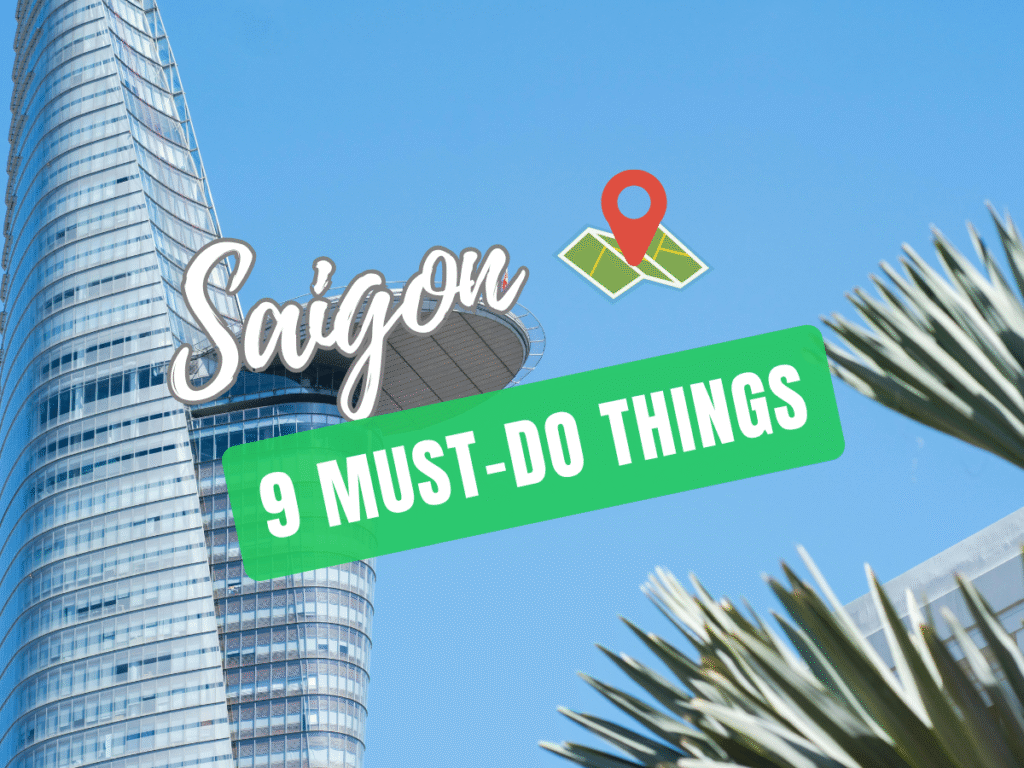
If you truly want to feel the pulse of Vietnam, Saigon – or Ho Chi Minh City – is where it all begins. This city never sleeps, never slows down, and never fails to surprise you. Here are 9 things every traveler must do in Saigon to experience the city like a local. Table of Contents 1. Sip Iced Coffee on the Sidewalk Forget fancy cafés – the best coffee in Saigon is brewed on the streets. Grab a plastic stool, order a cà phê sữa đá (iced coffee with condensed milk), and watch the chaotic beauty of motorbikes whizzing by. It’s not just coffee, it’s a way of life. See more: What Foreigners Should Do When Dining with Vietnamese People 2. Explore Bến Thành Market Step into this buzzing market to taste local snacks, hunt for souvenirs, and practice your bargaining skills. The air is filled with the scent of spices, flowers, and freshly cooked food – a sensory overload that perfectly captures the spirit of Saigon. 3. Stroll Along Nguyễn Huệ Walking Street At night, this pedestrian boulevard transforms into a lively stage. Locals sing, dance, skate, and laugh under the city lights. Grab a snack, join the crowd, and soak in the electric energy of modern Saigon. 4. Visit Notre-Dame Cathedral and the Central Post Office Standing proudly side by side, these two French colonial landmarks tell the story of Saigon’s past. The red bricks of the cathedral and the elegant arches of the post office make for picture-perfect memories – and a peaceful break amid the urban rush. 5. Dive Into Saigon’s Street Food Scene From bánh tráng nướng (Vietnamese pizza) to ốc xào me (snails with tamarind sauce), the city’s street food is a flavor-packed adventure. Night markets and tiny alleys hide some of the best bites you’ll ever taste. Don’t be afraid to try everything! 6. Watch the Sunset on the Saigon River Hop on a river cruise or find a quiet riverside bar. As the sun dips below the skyline and skyscrapers light up one by one, you’ll understand why locals love their city so deeply. 7. Visit the Independence Palace A time capsule of 1960s design and a major site in Vietnam’s modern history. Walk through its elegant halls and imagine what Saigon looked like decades ago. 8. Discover Chinatown (Chợ Lớn) Wander through vibrant temples, herbal medicine shops, and markets bursting with color. This historic district blends Chinese and Vietnamese culture in fascinating ways, especially during festivals like Lunar New Year. 9. Ride a Motorbike Like a Local No visit to Saigon is complete without a motorbike ride. Feel the breeze, weave through narrow alleys, and see the city’s hidden gems up close. It’s thrilling, chaotic, and absolutely unforgettable. Saigon isn’t just a destination – it’s an experience that stays with you. Between the street food, coffee culture, and unfiltered energy, every corner of this city tells a story waiting for you to discover. ♥ Saigonbiketours – Food Tour In Saigon ♥
Long-Lan-Quy-Phung Islets: The Four Sacred Animals of the Mekong Delta
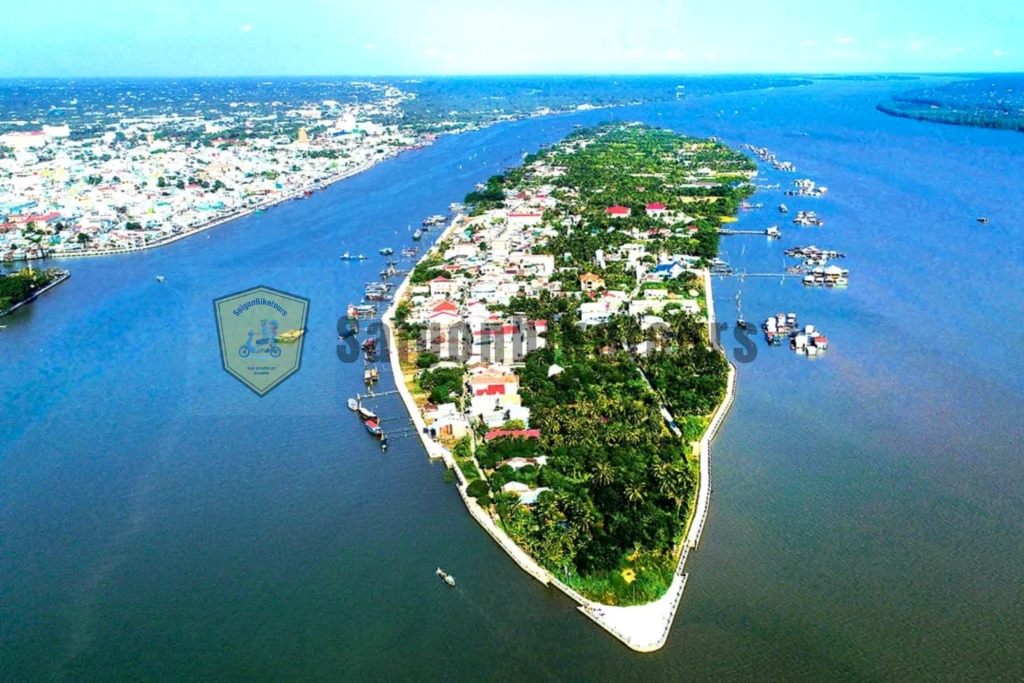
Long, Lân, Quy, Phụng Islets: The Four Sacred Animals of the Mekong Delta Overview The Long, Lân, Quy, and Phụng Islets, named after the four sacred animals in Vietnamese culture – dragon, unicorn, turtle, and phoenix – are situated on the Tien River between Ben Tre and Tien Giang provinces. These islets are celebrated for their fertile land, lush orchards, and cultural richness. They are among the most popular eco-tourism destinations in the Mekong Delta. History and Origins Each islet has its own legend and history. Long Islet symbolizes strength and abundance. Lân Islet is associated with peace and purity. Quy Islet is said to represent longevity and steadfastness. Phụng Islet, linked with prosperity and renewal, has a history intertwined with religious communities and trading activities. See more: The Mekong Delta – Vietnam’s Fertile Heartland Life on the Islets Life revolves around agriculture, aquaculture, and tourism. Families grow tropical fruits such as rambutan, longan, pomelo, and coconut. Fishing on the Tien River provides additional income. Residents live in harmony with the river, following seasonal cycles for planting and harvesting. Specialties Visitors can taste honey tea, coconut candy, tropical fruits, and Mekong-style dishes like fried elephant ear fish. Handicrafts, including products made from coconut shells and bamboo, are also popular. Tourism Boat tours allow visitors to hop between islets, enjoy traditional music performances, explore craft villages, and relax in riverside gardens. Phụng Islet is the tourism hub, offering more developed services, while the others maintain a more rustic charm. People The locals are known for their warmth, generosity, and deep connection to their land and water. Their way of life reflects the values of the Mekong Delta: resilience, community spirit, and a strong cultural identity. Conclusion Long, Lân, Quy, and Phụng Islets are more than just scenic spots; they are living cultural landscapes where nature and people thrive together. ♥ Saigonbiketours – Food Tour In Saigon ♥
Cu Chi – History, Culture, and the Spirit of Vietnam
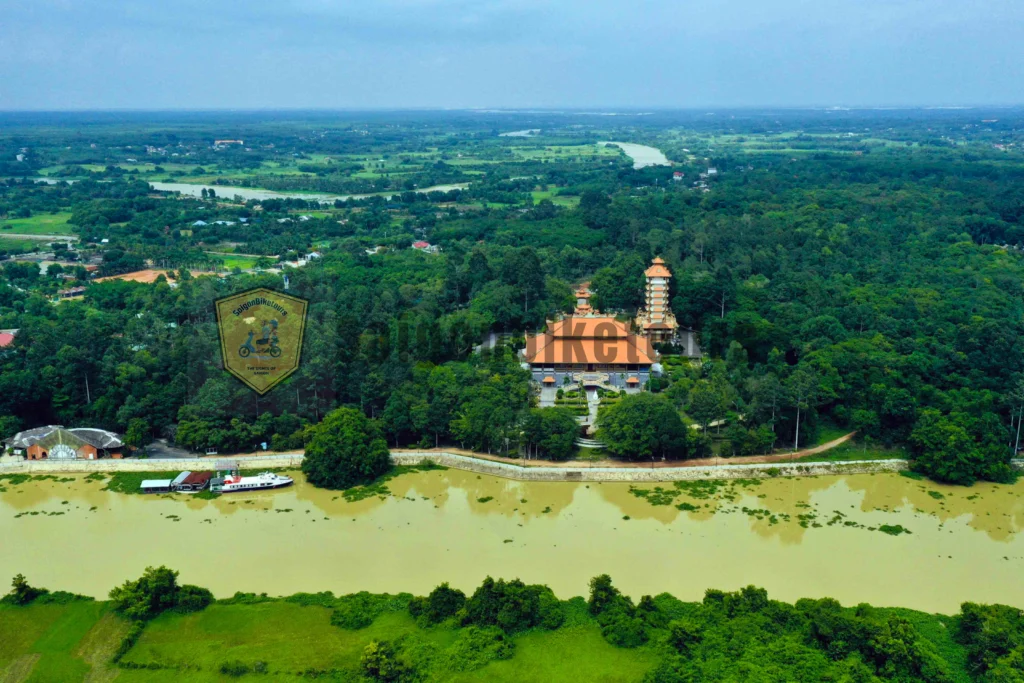
Cu Chi – History, Culture, and the Spirit of Vietnam Overview Cu Chi District lies about 60 kilometers northwest of Ho Chi Minh City. Known for its rural charm and deep historical roots, Cu Chi has transformed from a quiet agricultural region into a major tourist destination, drawing travelers interested in both history and culture. History Cu Chi’s history dates back hundreds of years, with the land once belonging to Khmer communities before becoming part of Vietnam. During the Vietnam War, Cu Chi became a strategic stronghold due to its location and the elaborate system of tunnels built by local residents and soldiers. This underground network, stretching over 200 kilometers, played a crucial role in resisting military campaigns. Origin of the Name The name “Cu Chi” is thought to derive from the Khmer phrase meaning “land of sand and trees,” referencing the region’s natural landscape in ancient times. Over time, as the Vietnamese settled here, the name remained, preserving a link to the district’s past. Cu Chi Tunnels Perhaps the most famous landmark in Cu Chi, the tunnels are an engineering marvel. Built with simple tools, they included living quarters, kitchens, storage rooms, and medical facilities. The tunnels allowed fighters to move undetected and withstand intense bombardment. Today, they are preserved as a historical monument, where visitors can walk through parts of the tunnels and learn about life during wartime. Local Specialties Cu Chi offers unique culinary delights such as cassava served with peanut and salt, rice paper used for fresh and fried rolls, and tropical fruits like durian, rambutan, and mangosteen. These dishes reflect the agricultural roots of the region and the resourcefulness of its people. The People of Cu Chi Residents of Cu Chi are known for their resilience, friendliness, and strong sense of community. Many families have deep connections to the land, continuing farming and traditional crafts while embracing tourism as a new source of livelihood. Tourism and Modern Development Today, Cu Chi combines historical tourism with eco-tourism and cultural experiences. Visitors can explore the tunnels, enjoy boat rides on nearby rivers, or visit local farms. This blend of history and nature ensures Cu Chi remains a vital part of Vietnam’s cultural landscape. ♥ Saigonbiketours ♥
Can Gio – The Ecological and Cultural Treasure of Southern Vietnam
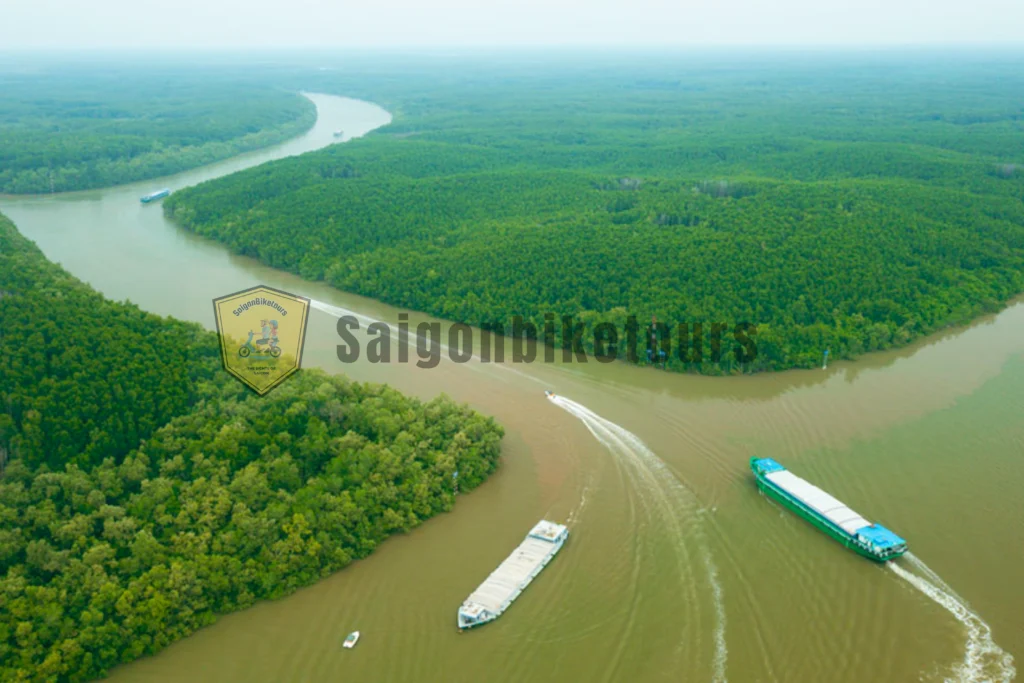
Can Gio – The Ecological and Cultural Treasure of Southern Vietnam Overview of Can Gio Can Gio is a coastal district of Ho Chi Minh City, located approximately 50 kilometers from the city center. Covering over 700 square kilometers, it is home to one of the largest mangrove forests in Vietnam. Recognized by UNESCO in 2000 as a World Biosphere Reserve, Can Gio plays a crucial role in protecting the region’s biodiversity and mitigating climate change impacts. The area is often referred to as the “green lung” of Ho Chi Minh City due to its vast forests and clean air. History of Can Gio The history of Can Gio dates back hundreds of years. Archaeological findings suggest that ancient communities once thrived in the region, engaging in fishing, salt production, and coastal trade. During the Nguyen dynasty, Can Gio was a strategic coastal area used for defense and maritime activities. In the modern era, the district has transformed into a hub for eco-tourism and sustainable industries while maintaining its traditional livelihoods. Salt-Making in Can Gio Salt production in Can Gio is a seasonal activity, typically taking place during the dry months. Local farmers prepare salt fields by leveling the ground and using clay to create shallow ponds. Seawater is channeled into these ponds and left to evaporate under the sun, leaving behind pure white salt crystals. Can Gio salt is known for its cleanliness and mineral richness, serving both domestic consumption and industrial purposes. Fishing and Aquaculture Fishing is the lifeblood of Can Gio’s economy. The district’s coastal waters are rich in seafood, including shrimp, crab, squid, and various fish species. Many families are involved in aquaculture, particularly shrimp farming, which provides steady income year-round. Fishing boats leave at dawn and return in the afternoon, filling local markets with fresh catches. These markets are not only economic centers but also cultural spaces where traditions are passed down. Tourism in Can Gio Tourism has become increasingly important to Can Gio’s economy. Key attractions include: ♦ Monkey Island (Dao Khi): Home to hundreds of playful monkeys and a historical guerrilla base. ♦ Vam Sat Ecotourism Area: Known for its diverse wildlife, including saltwater crocodiles and rare bird species. ♦ Can Gio Mangrove Forest: A UNESCO-protected area ideal for boat tours, birdwatching, and environmental education. ♦ 30/4 Beach: A tranquil spot for relaxation and seafood dining. Visitors are drawn to Can Gio for its unique blend of nature, history, and local cuisine. Seafood restaurants line the coast, offering dishes made from the day’s freshest catch. The Harmony Between Nature and People Can Gio represents a model of sustainable living, where residents balance economic needs with environmental preservation. Efforts to protect mangroves, regulate fishing, and promote eco-tourism have helped maintain the district’s ecological integrity. Local festivals and community events celebrate the connection between people and the sea, ensuring that traditions remain alive. Looking Forward As urbanization encroaches and climate change poses challenges, Can Gio faces the task of safeguarding its natural and cultural resources. With proper planning and community engagement, the district can continue to thrive as both a tourist destination and an ecological sanctuary. Can Gio’s story is one of resilience and coexistence—a reminder that preserving nature is not just an environmental responsibility but also a cultural heritage. ♥ Saigonbiketours ♥
Ca Na Salt Fields – The Soul of Ninh Thuan’s Coastal Culture
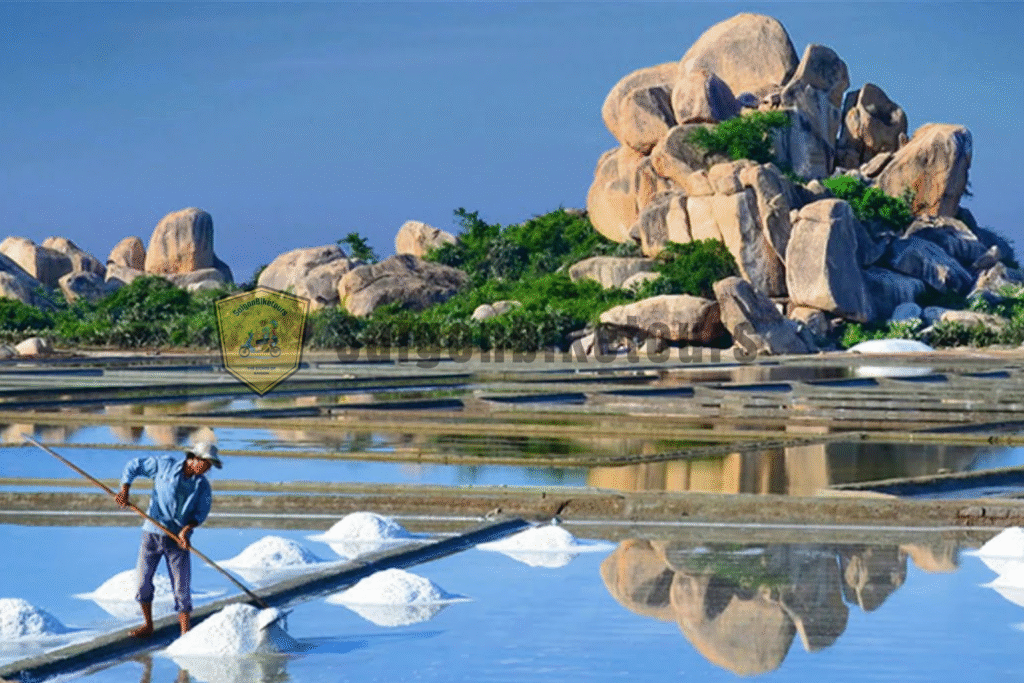
Cà Ná Salt Fields – The Soul of Ninh Thuận’s Coastal Culture Located in the coastal district of Thuận Nam, Ninh Thuận Province, Cà Ná Salt Fields represent one of Vietnam’s largest and most traditional salt-producing areas. With its abundant sunlight, low rainfall, and coastal plains, Cà Ná provides the perfect natural conditions for salt farming. The bright white salt pans stretching to the horizon have become not only a vital economic zone but also a symbol of cultural heritage. A Century-Old Tradition Salt-making in Cà Ná has a long-standing history that began over 100 years ago. Local oral histories and historical accounts suggest that salt production began here during the French colonial era when the demand for sea salt increased. Over time, the craft became an essential part of the community’s way of life, passed down from generation to generation. Salt-making is more than just labor—it’s a legacy. The Unique Process of Making Salt In Cà Ná, salt is produced mainly during the dry season, from December to August, when the sun shines intensely and the wind aids evaporation. The traditional process involves preparing salt fields by leveling the land and lining it with sand or clay. Seawater is then pumped into shallow ponds and left to evaporate under the sun. As the water evaporates, salt crystals form and are raked into piles, ready for collection. Despite the availability of industrial salt-making techniques, many families in Cà Ná prefer traditional methods. These methods ensure natural quality and purity and provide seasonal jobs for locals, particularly in poorer rural areas. Economic and Cultural Significance Cà Ná salt is not only consumed domestically but also exported to international markets. Its fine texture, mineral richness, and cleanliness have made it a favored choice for both household use and food processing. Economically, the salt industry supports hundreds of households in the region. It’s a major contributor to the local economy, especially in the dry months when agricultural activities are limited. Beyond economics, salt-making in Cà Ná is embedded in the culture. The sight of salt farmers working from dawn till dusk, the rhythmic movement of tools, and the sparkling fields at sunset form a poetic image of resilience and hard work. Local festivals and art forms often reflect this heritage. Challenges and Sustainability In recent years, salt farming in Cà Ná has faced challenges due to climate change, rising sea levels, urbanization, and economic shifts. Erratic weather patterns have affected the evaporation process, while some salt fields have been converted for tourism or aquaculture. However, many efforts are being made to preserve this traditional craft. Local authorities and NGOs are supporting sustainable salt production and promoting Cà Ná as a cultural tourism destination. Salt tours, where visitors can experience the process firsthand, are gaining popularity and offering alternative income for local communities. Looking Ahead Cà Ná Salt Fields remain a symbol of harmony between humans and nature. As Vietnam balances development with cultural preservation, the story of Cà Ná’s salt farmers stands as a powerful reminder of the value of tradition. Their perseverance, skill, and connection to the land deserve recognition and support. Whether viewed as an economic resource or cultural gem, Cà Ná’s salt fields continue to shine—literally and figuratively—under the Vietnamese sun. ♥ Saigonbiketours ♥
Sa Huynh Salt Fields – A Century-Old Craft and Cultural Heritage of Quang Ngai
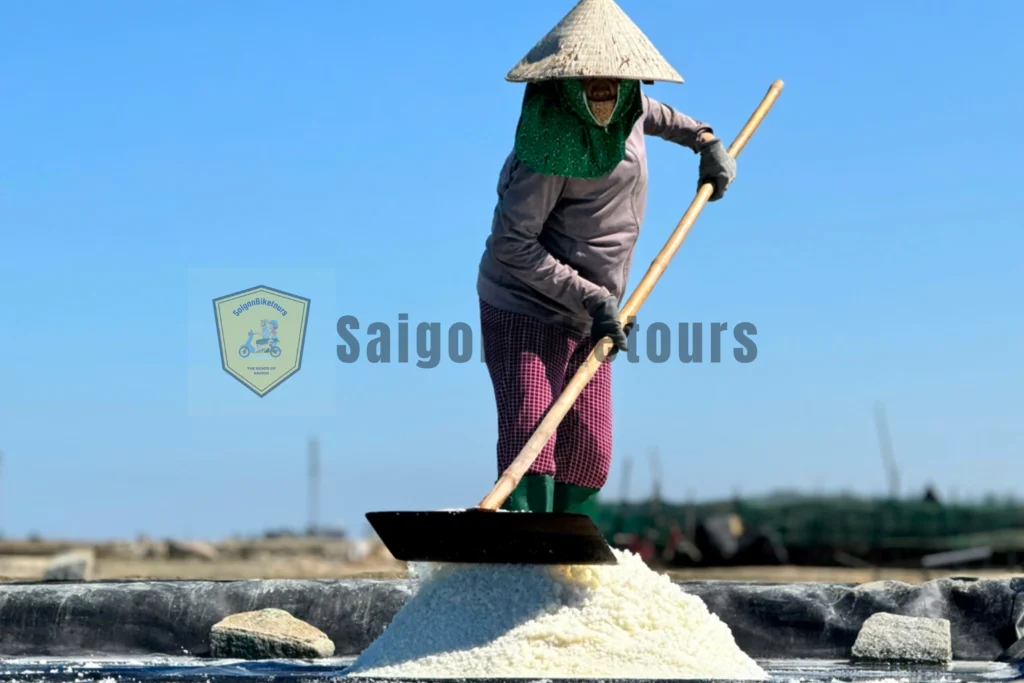
Sa Huynh Salt Fields – A Century-Old Craft and Cultural Heritage of Quang Ngai Nestled along the central coastline of Vietnam, the Sa Huynh salt fields in Duc Pho district, Quang Ngai province, are a remarkable representation of traditional salt-making in the country. This vast expanse of shimmering salt pans, white mounds, and hard-working farmers under the burning sun tells a story not only of a time-honored occupation but also of a deep cultural identity tied to the sea. More than just a source of salt, the Sa Huynh salt fields reflect the resilience, heritage, and livelihood of generations of local residents. An Overview of the Sa Huynh Salt Fields The salt fields of Sa Huynh stretch along the coast, forming a distinctive landscape of rectangular ponds and sparkling white salt beds. Covering dozens of hectares, this area is one of the most productive salt-producing regions in central Vietnam. Sa Huynh’s unique geographical and climatic conditions—including high temperatures, intense sunlight, and access to high-salinity seawater—make it an ideal location for salt production using natural evaporation. Every year, especially during the dry season from February to August, hundreds of local workers engage in the age-old task of making salt. The sight of salt farmers harvesting salt at sunrise or sunset has become iconic, drawing the attention of photographers and tourists alike. The Salt-Making Tradition of Sa Huynh The salt-making profession in Sa Huynh is more than just a job—it is a way of life. Passed down through generations, the techniques and tools used in salt production remain largely unchanged. Families often work together in the fields, with each member playing a role—from preparing the salt pans to collecting the final product. What distinguishes Sa Huynh salt-making from industrial salt production is its reliance on manual labor and natural processes. Unlike factories that use mechanical or chemical methods, Sa Huynh farmers depend solely on sun, wind, and skilled hands. This traditional method ensures the salt retains its natural minerals, flavor, and purity, which are highly valued in local markets. Historical and Cultural Origins Salt-making in Sa Huynh has a history that dates back over a hundred years. Oral histories from local elders suggest that the craft began in the early 1900s when coastal inhabitants realized the potential of the area’s natural resources. The long, sunny days and flat, open spaces made it feasible to build evaporation ponds and begin small-scale salt production. However, Sa Huynh’s relationship with salt may go even deeper. Archaeological findings in the Sa Huynh Culture—an ancient civilization that existed in the region over 2,000 years ago—suggest that salt was a vital commodity even in prehistoric times. Though modern salt production as we know it may have begun in the 20th century, it is likely that Sa Huynh has been a center of salt and coastal trade for much longer. Today, the tradition continues with pride, with many salt farmers seeing themselves not just as laborers but as custodians of cultural heritage. The Process of Making Salt in Sa Huynh The process of salt-making in Sa Huynh is simple in principle but labor-intensive in practice. It begins with preparing the salt pans—flat, shallow rectangular areas lined with clay or sand. These pans are carefully leveled and smoothed to ensure even evaporation. Seawater is then pumped or channeled into the pans, where it is left to evaporate under the scorching sun. Over several days, as the water evaporates, salt crystals begin to form on the surface. Once the salt reaches a certain thickness, workers rake and gather the crystals into small piles to dry before transporting them for storage or sale. Each step requires experience and precision. If the salt is collected too early, it may still contain moisture; too late, and it may lose quality. Timing, weather conditions, and the farmer’s intuition all play a role in the success of each batch. Impact on Local Life and Economy The salt industry plays a significant role in the socio-economic life of Sa Huynh and Quang Ngai. For many families, salt farming provides a seasonal but essential source of income. It supports local markets, creates employment opportunities, and strengthens community ties. Even as younger generations explore new careers, many still return during the salt season to help their families. Beyond economics, the salt fields are also a source of cultural pride. They represent endurance, cooperation, and respect for nature. Festivals and rituals associated with the beginning and end of the salt season reflect the deep connection between the community and the land they work on. In recent years, the salt fields have also gained attention as a potential tourist destination. Travelers interested in cultural and agricultural tourism visit Sa Huynh to witness the salt-making process and experience the beauty of rural Vietnam. This growing interest may offer new opportunities for the region, combining preservation with economic development. Challenges and the Future of Salt-Making in Sa Huynh Despite its rich history and cultural significance, salt-making in Sa Huynh faces several challenges. Climate change has brought unpredictable weather patterns, reducing the number of sunny days essential for evaporation. Rising sea levels and erosion also threaten the coastal salt fields. Moreover, economic pressures and modernization have led many young people to leave the profession, seeking more stable or lucrative work in urban areas. Industrial salt, often cheaper and more consistent in appearance, competes with handmade salt in the market, making it harder for traditional producers to survive. However, there are ongoing efforts by local authorities and cultural preservation groups to support the salt-making industry. Initiatives include promoting Sa Huynh salt as a specialty product, developing tourism infrastructure, and educating younger generations about the importance of maintaining traditional crafts. Conclusion The Sa Huynh salt fields are more than just a landscape—they are a living heritage. For over a century, they have sustained generations of families, shaped community identity, and contributed to the economy of Quang Ngai province. While modern challenges persist, the enduring spirit of the salt farmers continues to preserve this unique craft. As
A tradition of feasting: Vietnamese Tet meals
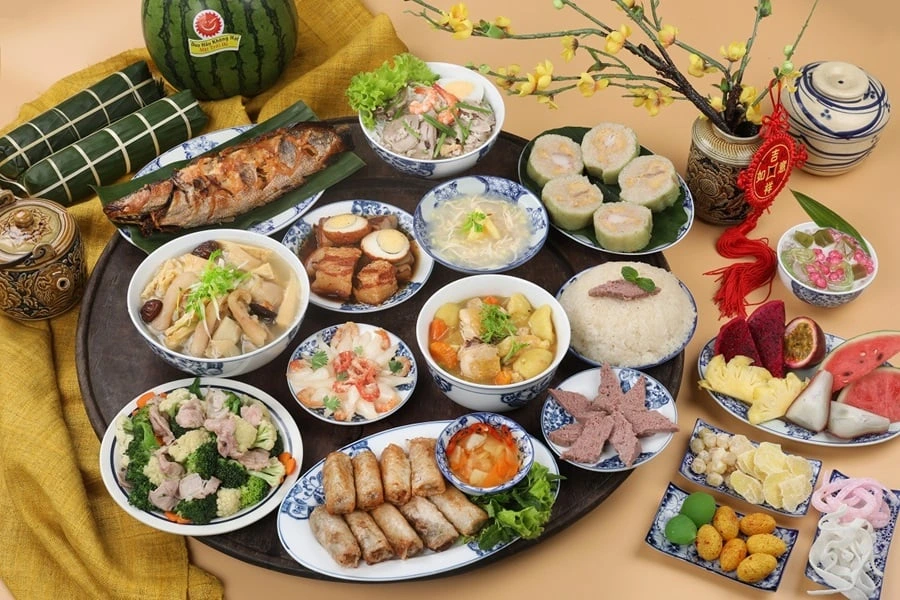
At Tet, a diverse array of dishes – from sticky rice cakes and spring rolls to boiled chicken – graces family food trays everywhere, symbolizing prosperity, luck, and familial unity. As the Lunar New Year approaches, Vietnamese households bustle with excitement and anticipation, preparing for one of the most significant and cherished celebrations of the year. Join us on a culinary journey as we explore the 10 common dishes that adorn the Lunar New Year food tray in Vietnam. Banh chung/banh tet (sticky rice cakes) Banh chung, a square rice cake, is commonly enjoyed savory in northern Vietnam, while banh tet, a cylindrical sticky rice cake and a specialty of central and southern region, can be found in both savory and sweet variations. The main ingredients of both these cakes often include glutinous rice, mung beans, pork belly, and a blend of spices such as salt, pepper, green onions, and fish sauce. These ingredients are layered, wrapped in banana leaves, and boiled or steamed until cooked through. Boiled chicken Boiled chicken, a dish originating from Chinese cuisine, holds a significant place in Lunar New Year celebrations across Vietnam. In Vietnamese culture, roosters are traditionally favored over hens in New Year offerings. The rooster symbolizes new beginnings and the start of favorable conditions for agriculture. During Lunar New Year’s Eve worship, offerings of sticky rice and boiled chicken are made, symbolizing hopes for prosperity and success in the upcoming year. The chicken is boiled until shiny and golden, infused with aromatic flavors of ginger. Accompanied by a salt and lime dip, it’s served alongside sticky rice. Gio lua/gio xao (Pork roll/ pork ear roll) Pork roll, known as cha lua in the central and southern regions and gio lua in the north, is a pork delicacy commonly found in the food tray during Lunar New Year. Meanwhile, pork ear roll is a dish often enjoyed during Tet celebrations in northern Vietnam. Xoi gac (red sticky rice) In Eastern culture, the color red represents happiness, luck, and goodness. During special occasions like Tet and ancestral ceremonies, people prepare a dish called red sticky rice. This dish is made by mixing sticky rice with gac fruit (sweet gourd). The rice is cooked until it’s soft and fragrant. The result is red sticky rice, believed to symbolize prosperity and good fortune. Spring rolls Spring rolls are known as cha gio in the south or nem ran in the north. Filled with a savory mixture of pork, shrimp, carrots, wood ear mushrooms, glass noodles, and bean sprouts, then wrapped in rice paper. The rolls are fried to perfection, resulting in a golden hue and a crispy exterior. Braised pork with duck eggs Braised pork with duck eggs is a Tet dish widely enjoyed in southern and central regions. Prepared with pork belly, garlic, shallots, soy sauce, sugar, and fish sauce, braised pork is simmered in a blend of coconut water, garlic, and shallots. Slow-cooked alongside duck eggs until tender, it’s commonly served alongside rice or pickled mustard greens. Stuffed bitter melon soup Canh kho qua, or stuffed bitter melon soup, is another dish enjoyed during Lunar New Year in southern regions of Vietnam. It’s made by filling bitter melons with a mixture of ground pork, fish, mushrooms, and spices, then simmering them in broth until tender. The name kho qua, or bitter melon, explains the wish for all kho, sorrows and misfortunes of the old year, to qua – pass, to receive good news in the new year. Dua hanh and cu kieu (pickled leeks and shallots) Pickle dishes like dua hanh (pickled shallots) and cu kieu (pickled leeks) are commonly found on festive menus. Pickled shallots are a favorite in northern regions, whereas pickled leeks are preferred in the south. Their mildly sour, slightly spicy, and aromatic flavors serve to offset the richness of dishes such as braised pork and sticky rice cakes.