
The State Bank of Vietnam – BranchWhere the Story of Money Meets the Story of Saigon
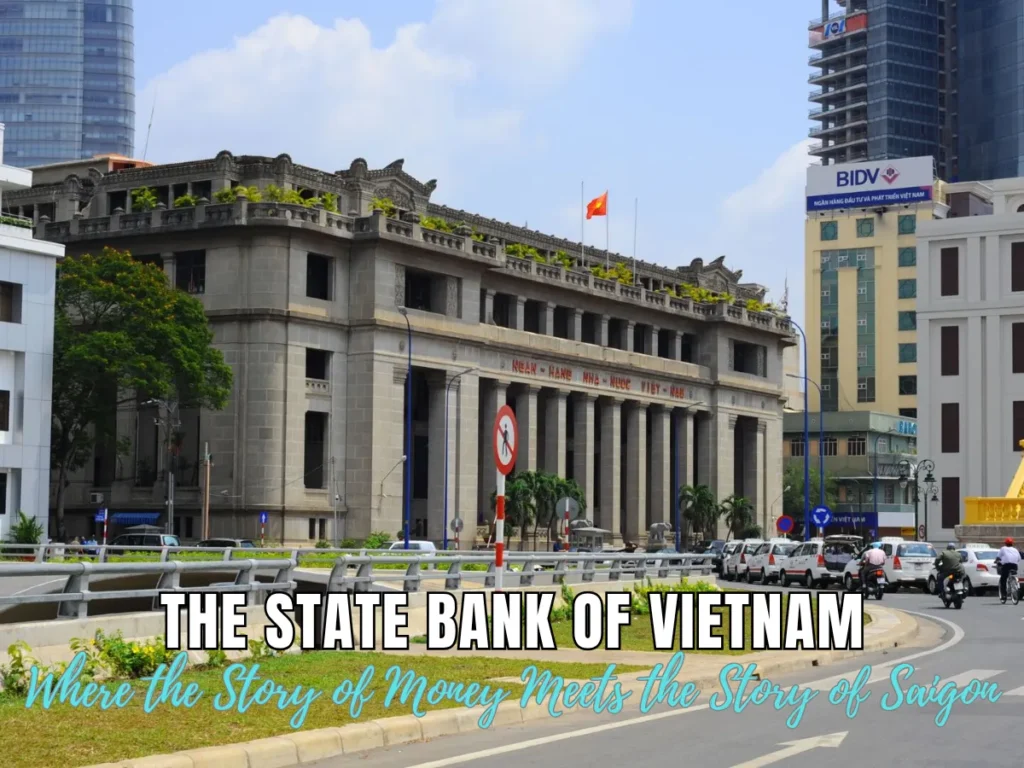
Located on Vo Van Kiet Boulevard near the historic center of Ho Chi Minh City, the State Bank of Vietnam – Ho Chi Minh City Branch is one of the city’s lesser-known yet highly significant landmarks. While most visitors pass by without noticing, this imposing colonial-era building has played a vital role in shaping Vietnam’s financial and economic history for more than a century. Table of Contents A Journey Through History The origins of this institution date back to the French colonial period when Saigon served as the economic capital of French Indochina. During the late 19th and early 20th centuries, the area surrounding the building became the financial heart of the colony, where major banks, trading companies, and government offices concentrated their activities. The State Bank Of Vietnam symbolizes the financial heartbeat that has sustained the city through colonialism, war, reconstruction, and economic transformation. See more: Ho Chi Minh City Hall – The Elegant Heart Of Saigon Following Vietnam’s independence and subsequent historical transformations, the building evolved from serving colonial financial interests to becoming part of the national banking system. Today, it functions as the Ho Chi Minh City branch of the State Bank of Vietnam, overseeing monetary and banking activities in the country’s largest economic hub. For more than 150 years, Saigon has been one of Southeast Asia’s most important commercial centers. Architectural Significance The building reflects the grandeur and confidence of colonial-era financial institutions. Its symmetrical façade, classical proportions, and elegant decorative details embody the Beaux-Arts architectural style popular in France during the late 19th century. Massive columns, high ceilings, and thick walls were designed not only to impress visitors but also to create a comfortable interior suited to the tropical climate of Saigon. Despite the city’s rapid modernization, the building continues to stand as a reminder of a different era. Around these streets stood banks, insurance companies, trading houses, shipping firms, and commodity exchanges. See more: Bach Dang Wharf – Where Saigon Meets The River Financial & Cultural Importance For historians, this building represents the evolution of Vietnam’s banking system. For locals, it symbolizes the transformation of Saigon from a colonial trading port into one of Southeast Asia’s most dynamic economic centers. The building does not speak. Yet every wall carries echoes of economic stories that helped shape modern Vietnam. The building also serves as a silent witness to major historical events, economic reforms, and the modernization of Vietnam’s financial sector over several generations. Visitor Information Exterior Viewing: Visitors can admire the building from outside and appreciate its architectural beauty as part of a walking tour through the historic district of Ho Chi Minh City. Photography: The façade is particularly photogenic during the morning and late afternoon when sunlight highlights its architectural details. Nearby Attractions: The building is conveniently located near many famous landmarks including Nguyen Hue Walking Street, Bach Dang Wharf, the Municipal Theatre, and the historic commercial center of old Saigon. More than just a bank, this place is also a stunning spot for taking photos. See more: Saigon Central Post Office – A Timeless Landmark In The Heart Of Ho Chi Minh City Things to Notice & Discuss While many people come simply to enjoy the scenery, The State Bank Of Vietnam offers a variety of memorable experiences: Observe how colonial architecture was used to project stability and authority. Compare the building with other French-era landmarks nearby and notice their shared design language. Reflect on how money, banking, and trade have shaped the development of Saigon for more than 150 years. Imagine the countless transactions, decisions, and economic transformations that have passed through this institution over generations. Although it may not appear on every tourist itinerary, the State Bank of Vietnam – Ho Chi Minh City Branch offers a fascinating glimpse into the financial foundations of modern Vietnam. Beyond its elegant architecture lies a story of commerce, transformation, and resilience that mirrors the remarkable journey of Ho Chi Minh City itself. ♥ Saigonbiketours – Food Tour In Saigon ♥
9 Traditional Vietnamese Folk Games That Bring Back the Joy of Childhood
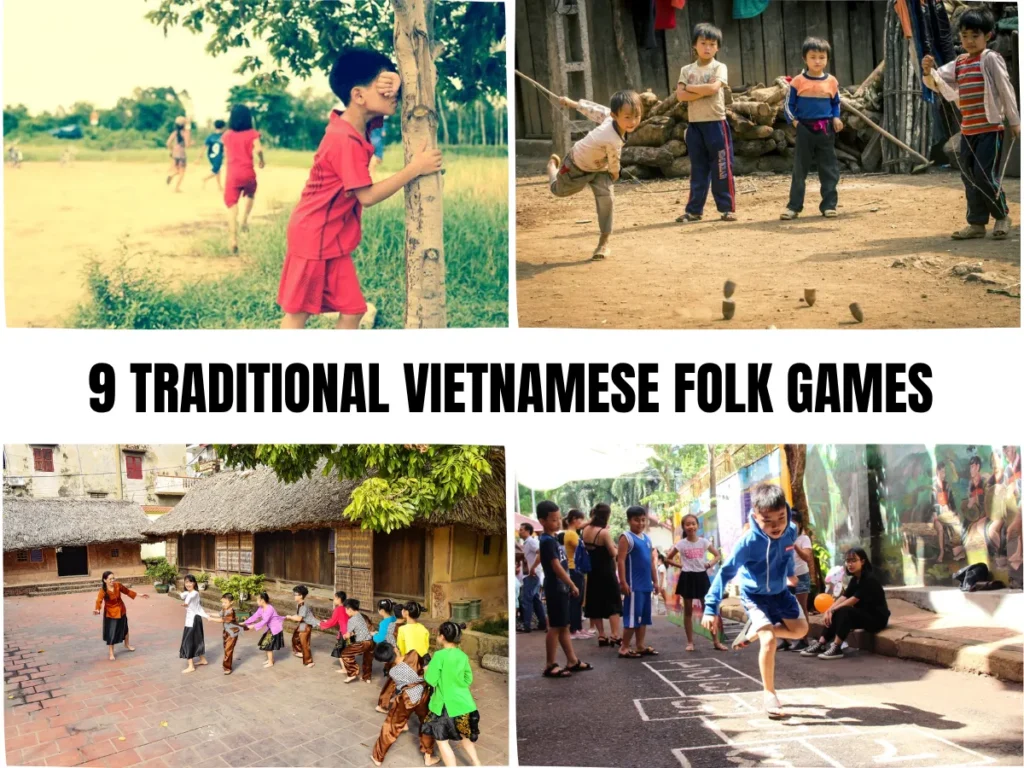
When you travel through Vietnam, you’ll quickly notice that the country’s charm doesn’t just lie in its landscapes, food, or ancient temples – it’s also hidden in the laughter of children playing simple yet delightful games that have lasted for generations.These folk games are more than just pastimes; they’re tiny windows into Vietnam’s spirit – creative, communal, and endlessly joyful. Here are nine traditional Vietnamese folk games that will make you smile, maybe even want to join in! Table of Contents 1. Tug of War (Kéo co) Imagine a dusty village square, the air filled with cheering, as two teams grip a long rope and pull with all their might. Tug of war is a classic game played across Vietnam during festivals or school events.It’s a test of strength, teamwork, and rhythm, but also a symbol of unity – everyone pulling together for a common goal. Whether you win or lose, you’ll always end up laughing and maybe a little bit sweaty! See more: 9 Things That Shock Foreigners in Vietnam – But Are Totally Normal for Vietnamese People Feel the strength, unity, and laughter as teams pull together in Vietnam’s thrilling Tug of War! 2. Mandarin Square Capturing (Ô ăn quan) This ancient Vietnamese board game requires more brains than brawn. Played by two people using small pebbles or seeds on a board drawn in the dirt, it’s all about strategy, quick thinking, and patience.Each move feels like a mini battle of wits, as players count and capture their opponent’s “mandarin squares.”Many Vietnamese adults still remember kneeling on the ground, completely absorbed in this simple yet brilliant game. Count, plan, and conquer – experience Vietnam’s timeless strategy game, the captivating Mandarin Square! 3. Jump Rope (Nhảy dây) No schoolyard in Vietnam is complete without a skipping rope.Children jump in rhythm – one, two, three – sometimes even adding songs or creative moves. It’s a perfect combination of fun, fitness, and friendship.The best part? You don’t need fancy equipment – just a rope, some friends, and an open space filled with laughter. Hop, laugh, and fly with friends – feel the joyful rhythm of Vietnam’s jump rope game! 4. The Dragon and Snake Game (Rồng rắn lên mây) This is one of the most joyful and musical folk games in Vietnam.Kids form a long line, holding each other’s waists to create a “dragon” or “snake,” led by one child playing the “head.” They sing traditional rhymes as they weave and chase the “doctor” at the front.It’s a lively game that celebrates teamwork, rhythm, and imagination, turning any schoolyard into a scene of pure happiness. Run, laugh, and chase the dragon’s tail – feel Vietnam’s childhood joy in The Dragon and Snake Game! 5. Hide and Seek (Trốn tìm) Simple, universal, and timeless – hide and seek is loved all around the world, but in Vietnam, it often takes on a special charm.Children hide behind banana trees, clay jars, or under stilt houses while one person counts with their eyes covered.The thrill of being found (or not!) never gets old. It’s a game that connects kids across generations and reminds us of the innocent excitement of childhood. See more: What Foreigners Should Do When Dining with Vietnamese People Hide, seek, and giggle – relive the timeless childhood thrill of Vietnam’s playful Hide and Seek! 6. Shuttlecock Kicking (Đá cầu) Walk through any Vietnamese park in the morning and you’ll see people – young and old – gracefully kicking a feathered shuttlecock in the air using their feet.This traditional sport combines balance, agility, and style. Players can keep the shuttlecock flying for minutes without letting it touch the ground, often forming small circles to challenge each other.It’s not just a game; it’s a daily ritual of energy, friendship, and community life. Kick, spin, and soar – feel the vibrant energy of Vietnam’s favorite shuttlecock kicking game! 7. Hopscotch (Nhảy lò cò) Draw some boxes on the ground with chalk, grab a small stone, and start hopping – that’s how a Vietnamese hopscotch game begins.Players balance on one leg as they move through the squares, picking up their stone without stepping on a line.It looks easy, but it takes precision, focus, and balance – and the laughter when someone wobbles and falls is half the fun!This simple game has taught generations of children patience and coordination. Hop on one foot, balance with joy – relive Vietnam’s playful spirit through the classic Hopscotch game! 8. Can Knockdown Game (Tạt lon) If you grew up in Vietnam, you probably remember the sound of clanging cans and excited shouts.Tạt lon – literally “can hitting” – is a favorite among kids in rural areas. Players use a sandal or small stone to knock over a stack of empty cans.Once the cans tumble, one team rushes to rebuild them while the other tries to stop them.It’s chaotic, funny, and full of friendly competition, turning any dusty alleyway into a lively playground. Aim, throw, and dash – experience Vietnam’s thrilling childhood game of speed, skill, and laughter! 9. Spinning Top Game (Đánh cù / Đánh quay) There’s something magical about watching a wooden top spin endlessly on the ground.In the traditional đánh cù game, players wind a string around the top and throw it skillfully to make it whirl. The one whose top spins the longest – or knocks out the opponent’s – wins.The buzzing sound and circular motion seem simple, yet they capture the craftsmanship, precision, and playful spirit that define Vietnamese folk culture. Spin, strike, and cheer – feel the excitement of Vietnam’s traditional spinning top game, Spinning Top Game! Why These Games Matter In today’s digital age, where children spend more time with screens than with each other, these folk games remind us of a simpler time – when laughter echoed through courtyards, and friendships were built through play.Each game carries a piece of Vietnamese culture: creativity, community, and joy in simplicity. They don’t need technology, money, or fancy equipment – just people, imagination, and
9 Things That Shock Foreigners in Vietnam – But Are Totally Normal for Vietnamese People
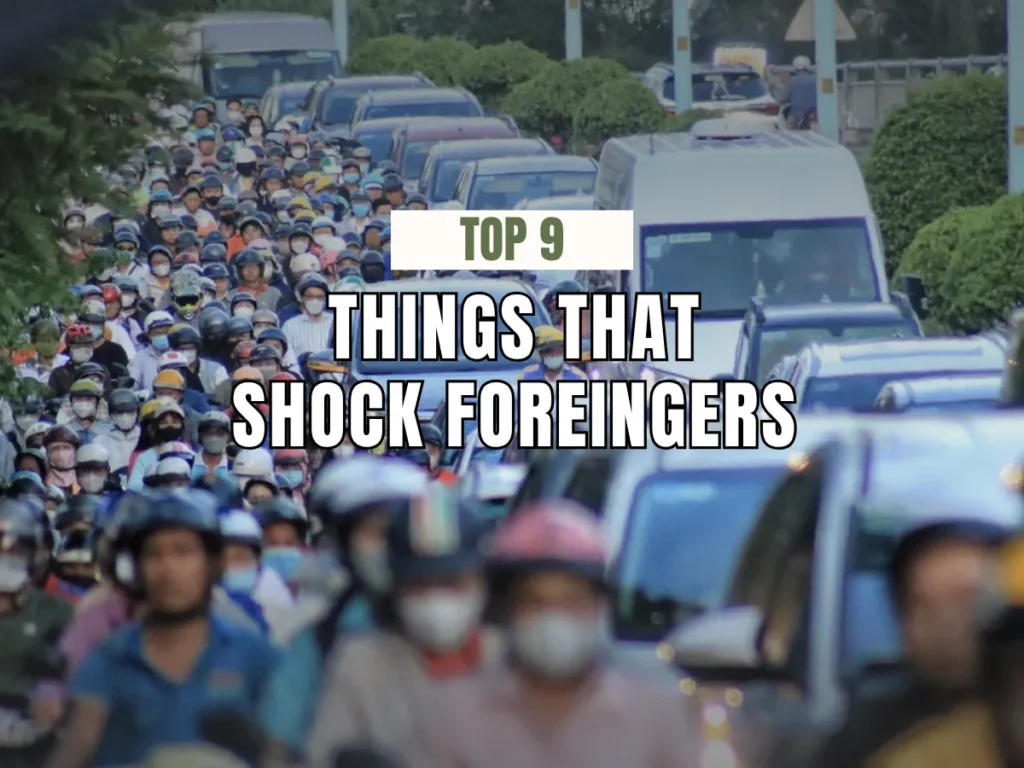
Come to Vietnam and prepare for the ultimate culture shock: chaotic traffic that somehow flows, strangers asking your age, coffee that could wake the dead, and street food so good you’ll forget every table manner you ever learned! Table of Contents 1. Street food dining is a luxury experience Tiny plastic stools, food served on the sidewalk, and steam rising from a pot of noodles – it may look simple, but it’s the heart of Vietnamese cuisine. Foreigners are shocked by how delicious and cheap everything is! See more: 9 must-do things in Saigon 2. The “chaotic” traffic that somehow works Motorbikes fill every inch of the road, horns never stop honking, and people cross right in the middle of moving traffic – total chaos to a foreigner. But to locals, it’s an unspoken system that works perfectly. Everyone just flows and somehow, no one crashes. 3. Vietnamese coffee is “no joke” Forget your usual latte – Vietnamese coffee is thick, sweet, and extremely strong. One sip of cà phê sữa đá can keep you awake all day. For locals, it’s the morning ritual. For foreigners, it’s a caffeine bomb. 4. Sharing food from the same dish In Vietnam, meals are about togetherness. Everyone uses their own chopsticks to pick food from shared plates. It’s a gesture of warmth and trust – though many foreigners find it a bit… unhygienic. 5. Personal questions are friendly, not rude “How old are you?”, “Are you married yet?”, “How much do you earn?” – these might sound intrusive elsewhere, but in Vietnam, they’re simple ice-breakers. Asking means you care and want to connect. 6. Strangers love to hold and play with babies In many countries, touching someone’s child is off-limits. In Vietnam, it’s a sweet and genuine way to show affection. Locals adore babies – and everyone’s a potential babysitter. 7. Napping anywhere, anytime Office workers, shopkeepers, drivers – everyone takes a quick nap after lunch. Under the table, on a motorbike, or even on the sidewalk. It’s a true Vietnamese superpower: the ability to sleep anywhere. 8. Bathing and doing laundry in open spaces In many towns or rural areas, it’s normal to see people showering or washing clothes outside. It’s just daily life – nothing to be embarrassed about. But for foreigners, it’s definitely a culture shock. 9. Deep respect for ancestors and spirituality Most Vietnamese homes have an altar for their ancestors. People burn incense on the first and fifteenth day of the lunar month, and make offerings during holidays. To outsiders, it may seem mysterious – but for Vietnamese people, it’s a sacred way to stay connected to family and tradition. And that’s what makes traveling here so fascinating – the everyday details that reveal the heart and soul of Vietnamese culture. ♥ Saigonbiketours – Food Tour In Saigon ♥
What Foreigners Should Do When Dining with Vietnamese People
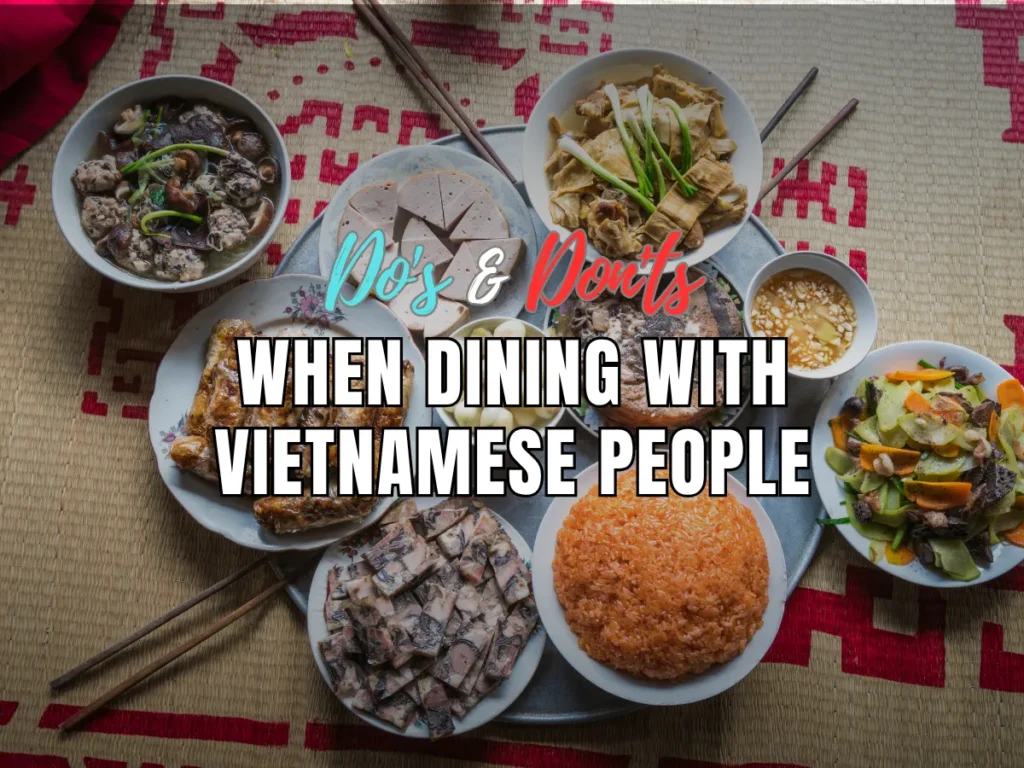
Sharing a meal in Vietnam is more than just eating together – it’s an important social and cultural experience. The way you behave at the table shows your respect, appreciation, and willingness to connect. Here are some essential tips for foreigners dining with Vietnamese people. Table of Contents 1. Wait to Be Invited Before Eating In Vietnam, it’s polite to wait until the host or the eldest person at the table says, “Mời cả nhà ăn cơm” (“Please enjoy the meal”) before you start eating.You can reply with a friendly “Cảm ơn, mời cả nhà!” (“Thank you, please enjoy too!”). It’s a simple gesture that shows respect and cultural awareness. See more: 9 must-do things in Saigon 2. Use Chopsticks Properly Chopsticks are an essential part of Vietnamese dining culture.Hold them near the top, not the middle or bottom, and never stick them upright into a bowl of rice – this resembles incense sticks at funerals and is considered bad luck.When sharing dishes, take food from the top of the plate, and don’t dig around to find the best pieces. 3. Share Dishes Gracefully Vietnamese meals are usually served family-style, with all dishes placed in the center of the table for everyone to share.If you’d like to offer food to someone else, it’s a kind gesture – but remember to use a clean spoon or the other end of your chopsticks to serve them, not the end you’ve eaten from. 4. Compliment the Food Vietnamese hosts truly appreciate compliments about their cooking.Simple phrases like “It’s delicious!” or “This dish is amazing!” go a long way.It shows gratitude and makes your host feel proud and happy. 5. Drink and Socialize Respectfully If alcohol is served, you may be invited to drink together. Raise your glass, make eye contact, and say “Một, hai, ba, dô!” (One, two, three, cheers!).If you don’t drink alcohol, just smile and say politely, “Thank you, I don’t drink much.” Most Vietnamese people will understand and won’t pressure you. 6. Respect the Elders Respect for elders is a cornerstone of Vietnamese culture.Before eating, it’s polite to invite older people to start first.Pouring them a drink or serving them food shows good manners and earns instant respect. 7. Things to Avoid In addition to the things you should do when dining with Vietnamese people, below are some things you should avoid doing when dining with Vietnamese people: Don’t point your chopsticks directly at others. Don’t stir through shared dishes looking for your favorite piece. Don’t leave too much food uneaten – finishing your meal shows respect for the cook. Don’t sit down or start eating before you’re invited, especially at formal meals. A Vietnamese meal is not just about food – it’s about connection.People talk, laugh, and share stories. Eating together is a way to build relationships and express warmth.If you approach the meal with an open heart, curiosity, and respect, you’ll not only enjoy great food but also gain a deeper understanding of Vietnamese culture. ♥ Saigonbiketours – Food Tour In Saigon ♥
Thoi Son Islet (Lan Islet) – Touch the Soul of the Mekong
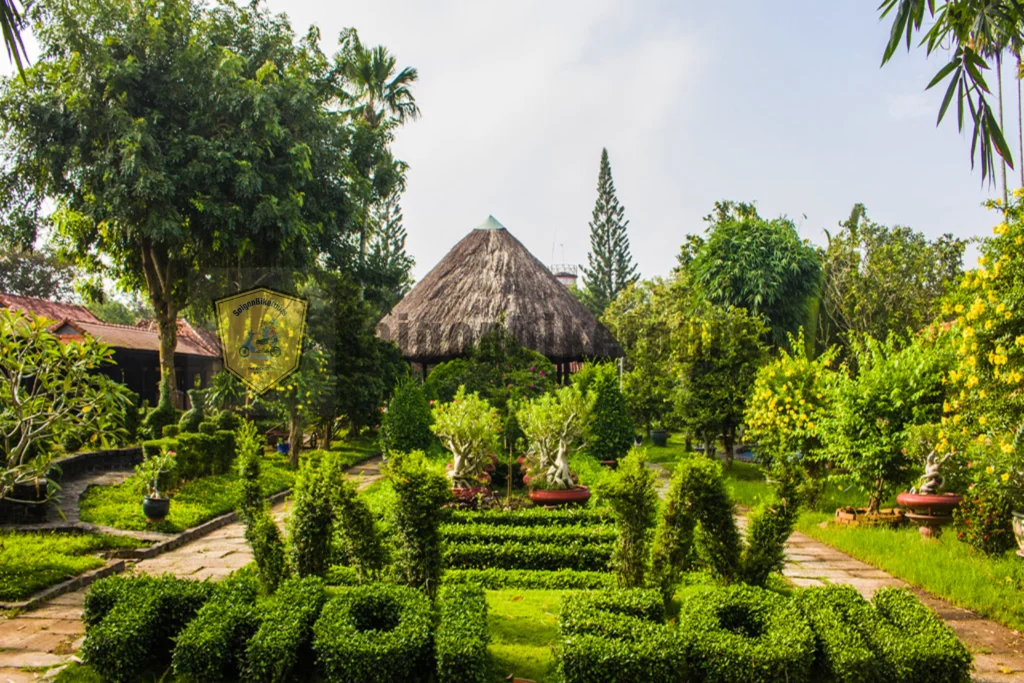
Thoi Son Islet (Lan Islet) – Touch the Soul of the Mekong Thoi Son Islet, or Con Lan, is one of the four well-known islets on the Tien River, collectively named Long, Lan, Quy, and Phung. Located about 70 kilometers from Ho Chi Minh City, in My Tho City of Tien Giang Province, the islet spans approximately 1,200 hectares and hosts a community of around 6,000 residents. Over the years, it has transformed from a quiet agricultural settlement into a leading eco-tourism hub in southern Vietnam, welcoming an estimated 400,000 visitors annually, including 300,000 international tourists. Geography and Formation Con Lan was formed through centuries of alluvial deposits from the Mekong River. The fertile soil supports dense orchards and coconut groves. Approximately 500 hectares of land on the islet are under cultivation, providing seasonal and off-season fruit thanks to improved farming techniques. This agricultural abundance also supports beekeeping, as fruit flowers feed thousands of bee colonies that produce high-quality honey. See more: Long-Lan-Quy-Phung Islets: The Four Sacred Animals of the Mekong Delta History Settlement on Con Lan began centuries ago when migrants sought fertile land and calm waters. The community developed farming, fishing, and small-scale craft industries. During colonial and wartime periods, the island remained relatively sheltered. In the 1990s, as Vietnam opened to tourism, Con Lan emerged as a key eco-tourism site. Today, it contributes to over 50% of Tien Giang’s total tourist arrivals. People and Daily Life The roughly 6,000 residents of Con Lan live mainly by fruit farming, aquaculture, craftwork, and tourism services. Multiple generations often share a household, fostering strong family bonds. Daily life revolves around tending orchards, producing coconut candy, keeping bees, and welcoming tourists. Community ties remain strong through religious festivals and cultural gatherings. Traditional Crafts Con Lan is famous for coconut candy production, with family workshops demonstrating the process to visitors. Beekeeping provides honey, served with lime tea to guests. Handicrafts made from water hyacinths and coconut leaves display local artisanship. These crafts are both economic activities and cultural markers. Cuisine and Specialties Meals on Con Lan highlight Mekong Delta flavors: fresh tropical fruits, crispy fried elephant ear fish, braised pork, and sour soup with river fish. Visitors often enjoy meals in family-run gardens, accompanied by honey tea or fresh coconut water. Such meals represent the island’s generosity and abundance. Tourism Development Tourism began booming in the 1990s. Currently, Con Lan hosts 1,500–3,000 visitors daily, with spikes of over 7,000 during national holidays. Visitors experience rowing boat rides under nipa palms, cycling tours, orchard visits, craft workshops, and ‘Đờn Ca Tài Tử’ performances. Tourism has diversified income while promoting heritage conservation. Cultural Heritage Music and festivals are central to the islet’s identity. ‘Đờn Ca Tài Tử,’ a UNESCO-recognized folk music, is performed regularly for visitors. Religious ceremonies, ancestor worship, and Buddhist festivals unify the community and preserve traditions. Development and Prospects Con Lan has seen significant infrastructure improvements: roads, bridges, and electricity. In 2023, Tien Giang Province welcomed over 876,000 visitors in 8 months, generating 552 billion VND in revenue. Sustainable tourism is emphasized, with eco-friendly tours and waste management initiatives. Authorities aim to balance development with cultural and environmental preservation. Conclusion Thoi Son Islet is more than a tourist site; it is a living example of the harmony between nature, culture, and community in the Mekong Delta. With fertile land, traditional crafts, warm people, and thriving tourism, Con Lan continues to flourish as both a cultural treasure and a sustainable development model. For travelers, it offers not only sightseeing but also immersion into authentic delta life. ♥ Saigonbiketours – Food Tour In Saigon ♥
The Mekong Delta – A Journey Through Vietnam’s Southern Wonderland
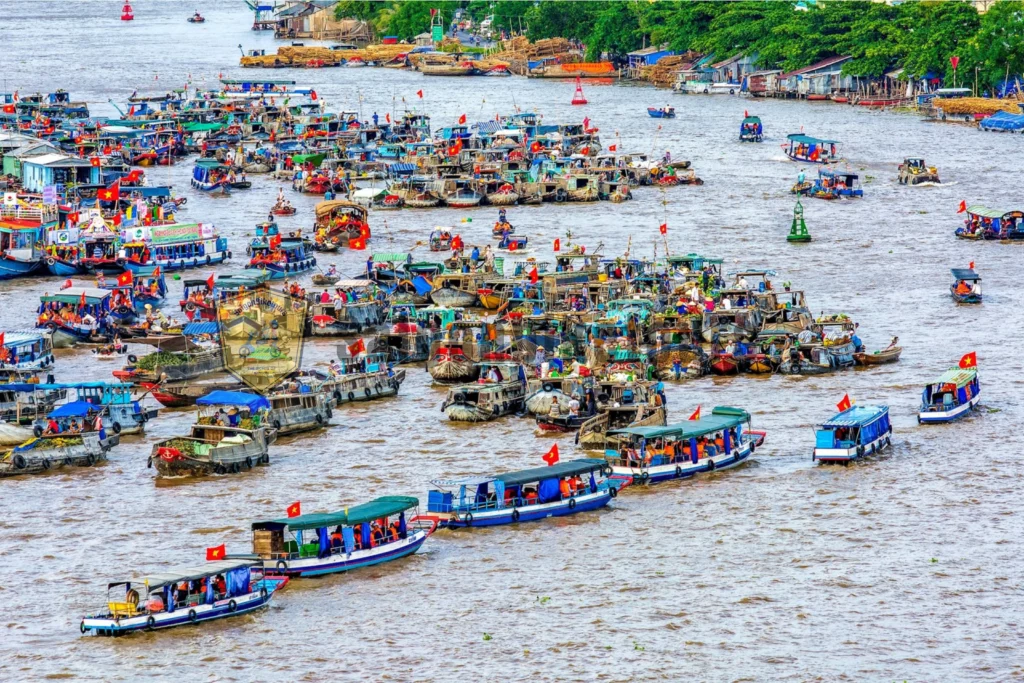
The Mekong Delta – A Journey Through Vietnam’s Southern Wonderland Overview The Mekong Delta, or “Dong Bang Song Cuu Long” in Vietnamese, lies at the southern tip of Vietnam. Covering over 40,000 square kilometers, it is a labyrinth of rivers, canals, rice paddies, and lush orchards. Known as Vietnam’s most fertile region, it provides the majority of the nation’s rice and a variety of agricultural products. History and Formation The delta was formed over millennia by sediment carried from the upper Mekong River. This river starts in the Tibetan Plateau, runs through China, Myanmar, Laos, Thailand, Cambodia, and finally Vietnam. As the river slows near its mouth, it deposits nutrient-rich silt, creating the fertile landscape we see today. Throughout history, this abundance attracted settlers, shaping a unique culture deeply connected to water. The Mekong River The Mekong River is not just a geographical feature but the very soul of the delta. It sustains agriculture, supports fishing communities, and serves as a major transportation route. Its seasonal floods bring new life, replenishing the soil and supporting biodiversity. Life in the Delta Daily life in the Mekong Delta revolves around waterways. Houses on stilts line the banks, and boats are used for transportation, fishing, and trading. Floating markets such as Cai Rang and Cai Be are cultural icons, where vendors sell fruits, vegetables, and cooked meals directly from their boats. See more: Can Gio – The ecological and cultural treasure of southern Vietnam The People The inhabitants of the Mekong Delta are known for their adaptability and friendliness. They have developed a way of life that embraces the challenges of flooding and changing water levels, turning them into opportunities for farming and aquaculture. Specialties The delta is a paradise for food lovers. It boasts tropical fruits like mangosteen, star apple, and dragon fruit, as well as iconic dishes like canh chua ca (sour fish soup), banh xeo, and coconut-based sweets. Seafood is abundant, with shrimp, catfish, and snakehead fish forming the basis of many meals. Tourism and Culture The Mekong Delta attracts tourists with its natural beauty, cultural richness, and laid-back lifestyle. Visitors can cruise along canals, cycle through villages, and enjoy homestays with local families. Festivals, folk songs, and traditional crafts add to the region’s charm. Conclusion The Mekong Delta is more than just a geographical region; it is a living, breathing testament to the harmony between humans and nature, offering both a vital agricultural base for Vietnam and an unforgettable cultural experience for travelers. ♥ Saigonbiketours – Food Tour In Saigon ♥