
Bạch Đằng Wharf – Where Saigon Meets the River
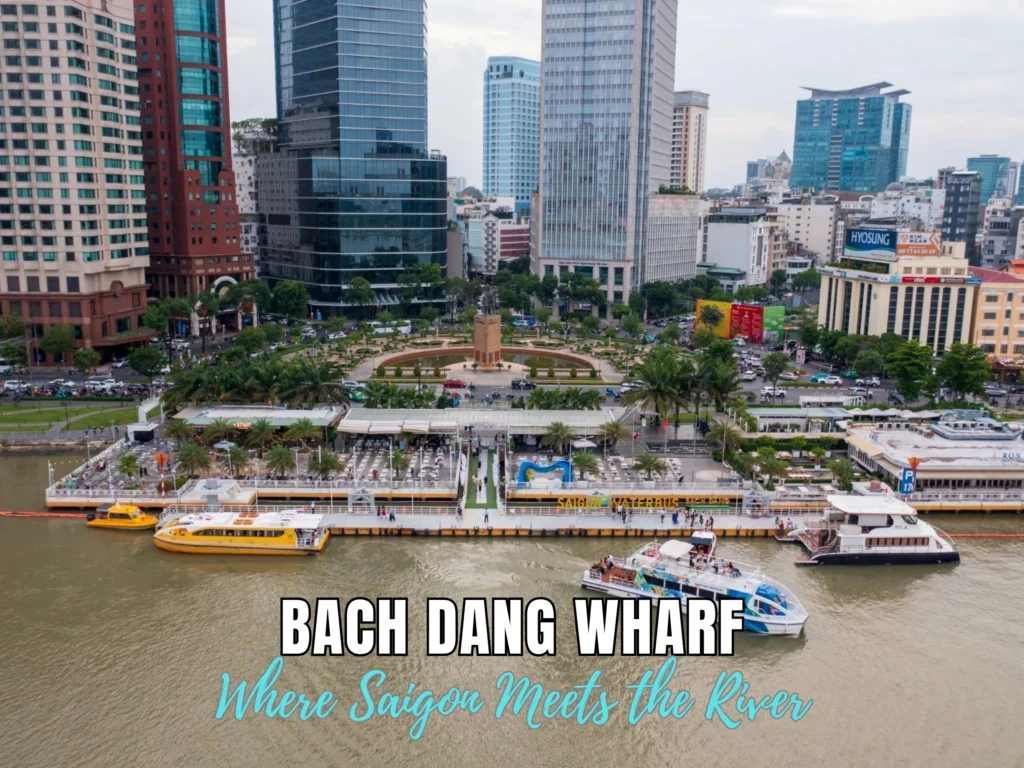
Located along the banks of the Saigon River in the heart of District 1, Bạch Đằng Wharf is one of Ho Chi Minh City’s most scenic and historically meaningful waterfront destinations. Stretching beside Ton Duc Thang Street, this riverside promenade offers a refreshing contrast to the city’s fast-moving traffic and skyscrapers. It is a place where locals exercise at sunrise, couples gather at sunset, and visitors discover the soul of old Saigon through the rhythm of the river. More than just a riverside park, Bach Dang Wharf represents the connection between Saigon’s past, present, and future – from ancient trading routes and colonial ports to modern river buses and luxury cruises. Table of Contents A Journey Through History The history of Bach Dang Wharf is deeply intertwined with the growth of Saigon itself. For centuries, the Saigon River served as the city’s lifeline, connecting southern Vietnam with international trade networks across Asia and Europe. During the Nguyen Dynasty, this riverside area was already an active docking point for merchants and transport boats carrying rice, ceramics, silk, and agricultural products. Located on the banks of the picturesque Saigon River, Bach Dang Wharf is not only a transportation infrastructure but also a symbol of rich national history and culture See more: Ho Chi Minh City Hall – The Elegant Heart Of Saigon During the French colonial era in the late 19th century, the riverfront transformed dramatically. Large piers, warehouses, and shipping facilities were built to support Saigon’s rise as the “Pearl of the Far East.” Steamships arrived carrying goods, soldiers, and travelers from Europe, while the waterfront became one of the busiest commercial zones in Indochina. The Saigon River served as the city’s lifeline, connecting southern Vietnam with international trade networks across Asia and Europe. The name “Bạch Đằng” itself carries historical significance in Vietnamese culture, commemorating the legendary Bach Dang River victories where Vietnamese forces defeated foreign invaders centuries ago. By naming this riverside area Bach Dang, the city preserved a symbol of resilience and national pride. Today, the old commercial port atmosphere has evolved into a vibrant public space where modern Saigon reconnects with its river heritage. Bach Dang Wharf under the early morning mist, as Saigon awakens after a good night’s sleep See more: Nguyen Hue Walking Street – the Beating Heart Of Modern Ho Chi Minh City Riverside Beauty & Urban Transformation One of the most attractive aspects of Bach Dang Wharf is its open riverside scenery. Unlike many crowded urban areas in Ho Chi Minh City, the promenade feels airy and peaceful. Visitors can enjoy panoramic views of the Saigon River, observe boats passing by, and watch the skyline reflect beautifully on the water at night. In recent years, the city has invested heavily in redeveloping the waterfront into a modern pedestrian-friendly space with gardens, walking paths, public art, and seating areas. The addition of the Saigon Waterbus station has also revived river transportation, allowing travelers to experience the city from a completely different perspective. Bach Dang Wharf Park, covering 18,600 square meters, is a familiar spot for locals to relax, stroll, enjoy the scenery, and exercise At sunset, Bach Dang Wharf becomes especially magical. Golden sunlight spreads across the river while the modern towers of Thu Thiem gradually illuminate across the water, symbolizing the future of Ho Chi Minh City rising beside its historical center. Cultural Significance & Local Life For locals, Bach Dang Wharf is not simply a tourist attraction — it is part of everyday life. Early in the morning, residents come here for jogging, tai chi, dancing, and group exercises. In the evening, families stroll along the river, street musicians perform, and young people gather to enjoy the breeze and city lights. As the city lights up, Bach Dang Wharf also glows brightly from the other side of the river The riverside atmosphere reflects a unique aspect of Saigon culture: despite being one of Southeast Asia’s busiest cities, Saigonese people still deeply value relaxation, social connection, and outdoor community spaces. The “Thu Ngu” flagpole is considered a symbol of the early heritage of the city formed along the Saigon River During major celebrations such as Lunar New Year, National Day, or international festivals, the Bach Dang area often hosts fireworks displays, flower streets, cultural performances, and river events that attract thousands of visitors. Visitor Information Location: Bach Dang Wharf is located along Ton Duc Thang Street in District 1, near many famous landmarks such as Nguyen Hue Walking Street, the Opera House, and Bitexco Financial Tower. Opening Hours: The riverside public area is open all day and free to access. Entry Fee:There is no fee to admire the building from outside. Ticket prices vary depending on waterbus fee ticket. Best time to visit: Sunrise and sunset are considered the most beautiful times to visit, especially from late afternoon to evening when the weather becomes cooler and the skyline lights up. These cruise ships take tourists along the river of time and allow them to enjoy the “flavor of Saigon”. Things to Do & Experiences While many people come simply to enjoy the scenery, Bach Dang Wharf offers a variety of memorable experiences: Take the Saigon Waterbus: Enjoy a relaxing river journey while observing both old Saigon and the city’s modern skyline. Riverside walking: Perfect for photography, sightseeing, and feeling the atmosphere of the city beside the river. Sunset watching: One of the best sunset spots in central Ho Chi Minh City. Street food & cafés: Nearby areas offer coffee shops, local snacks, and rooftop dining experiences. River cruises: Several dinner cruises depart from this area, offering live music and city views at night. More than a waterfront destination, Bach Dang Wharf is a living reflection of Saigon’s identity – energetic yet peaceful, modern yet deeply connected to history. Here, the river continues to tell stories of trade, migration, war, culture, and transformation while the city around it constantly evolves. Whether you visit for a peaceful morning walk, a sunset cruise, or simply to