
A unique “Banh Xeo” in Vietnam
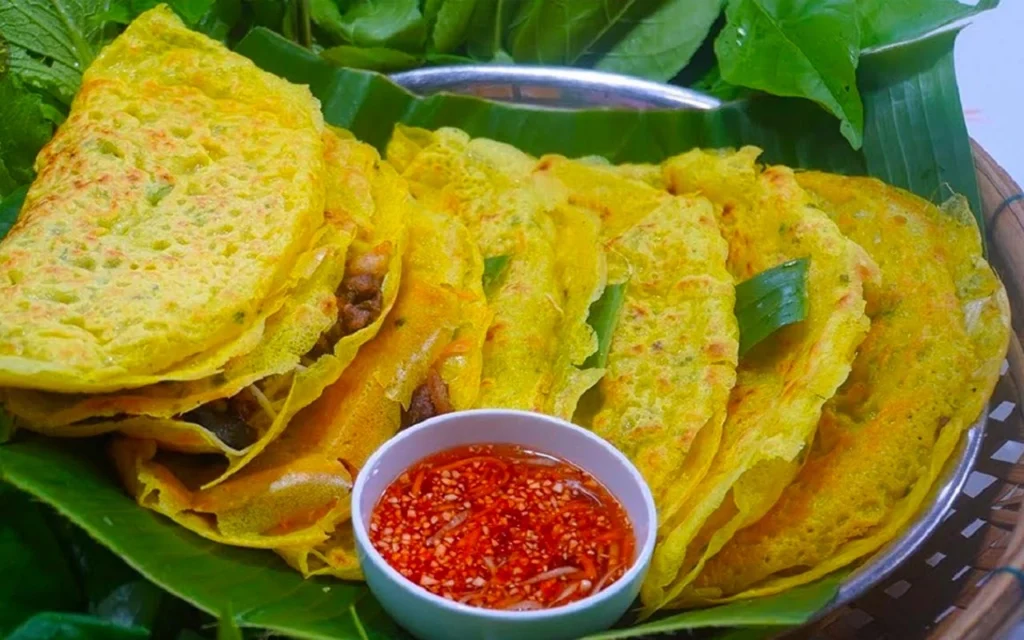
“Banh xeo” is Vietnamese style crepe with whole shrimp, thinly sliced pork and bean sprouts. What is Banh Xeo? Like the salad roll, the “banh xeo” is a do-it-yourself dish that involves the messy but delicious process of wrapping the crepe in lettuce with cilantro and basil. Though the filling might fall out on your table, you will be completely lost in the crispy, warm combination of lettuce and crepe, and the attentive staff will happily clean up after you. Different Styles of “Banh Xeo” “Banh xeo” is prepared differently throughout the country. Tourists traveling about in Vietnam are sure to encounter a different recipe, and sometimes even a different name, for “banh xeo” depending on which region and province they are visiting. These are a pale yellow spicey Vietnamese style crepe. One piece on the bottom, and another on top encase what is usually a salad consisting of been sprouts, prawns, boiled pork, taro and carrot. Drenched in fish sauce, and you have a deliciously messy slice of fine pleasure. The dish is round, and you cut it into slices, like a pizza, so it resembles a triangle on the main platter, but usually by the time it arrives on your plate, it could resemble anything really. n the Southern region, the “banh xeo” is the size of a large dish and yellow in color due to the employment of turmeric powder. The Southern people always add coconut milk to the rice flour to make the crepe extra delicious. The crepe is stuffed with bean sprouts, mung beans, shrimp and pork. A sweet and sour fish sauce and fresh vegetables are used as accompaniments. In the Central region, “banh xeo” cooks make a smaller crepe that is white in color. In Hue, the crepes are called “banh khoai”, which is similar to “banh xeo”, but smaller in size and stuffed with fennel, sour star fruit, green banana and a thick soy sauce. In addition to selling the crepes to patrons, vendors also prepare them en masse for birthday parties and festivals. Northern preparations of “banh xeo” are similar to the ones down south, but include special fillings like slices of Indian taro and manioc. In some regions, “banh xeo” is prepared thick, but Southern crepes are characteristically thin, crispy and served fresh out of the frying pan. The secret to extra-thin crepes is a deep frying pan and a quick wrist to coat the frying pan with the batter before it starts to set.
Chè – Vietnamese Sweet Soup
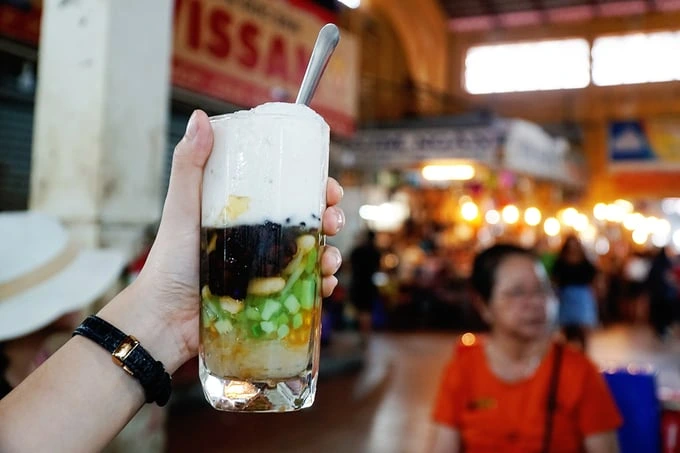
“Chè” is a Vietnamese term that refers to any traditional Vietnamese thick, sweet dessert soup. Sweet Soup is a kind of sugary flavored beverage which is protein-rich. As such, it may, with the addition of qualifying adjectives, refer to a wide variety of distinct soups or puddings, which may be served either hot or cold. Some varieties, such as “chè xôi nước”, may also include dumplings. What is Che – Vietnamese Sweet Soup? Chè are often prepared with one of a number of varieties of beans and/or glutinous rice, cooked in water and sweetened with sugar. Other ingredients may include tapioca starch, salt, and pandan leaf extract. Each variety of chè is designated by a descriptive word or phrase that follows the word chè, such as chè đậu đỏ (red bean sweetened porridge), chè đậu đen (black bean sweetened porridge) and so on. In southern Vietnam, chè is often garnished with coconut milk. Chè may be made at home, but are also commonly available freshly made in plastic containers, in Vietnamese grocery stores.
Nuoc Mia, or Sugar-cane Juice – A Refreshing Drink in Vietnam
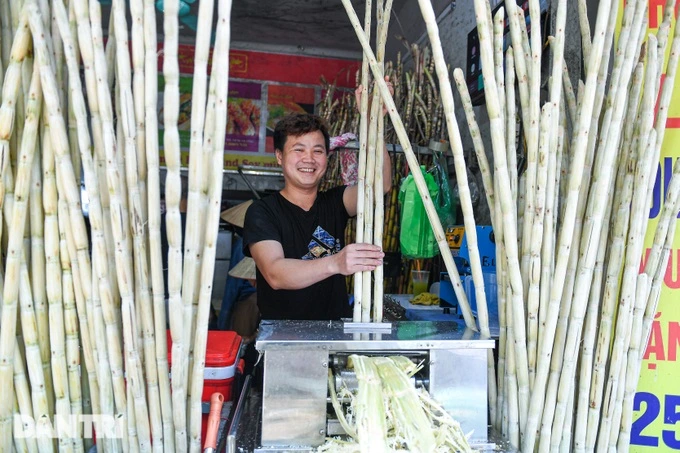
In hot weather like Vietnam, people know sugar cane juice as a natural beverage that is delicious and cheap. Therefore, sugar cane juice is so popular in Vietnam and is available at most small street stalls, often sold alongside other popular beverages. The juice is served from distinctive metal carts with crank-powered sugar cane stalk crushers that release the juice. So what is it and why is it so popular? What is Sugar-cane Juice in Vietnam Like? There used to be a vendor that would make freshly squeezed sugar-cane juice. Previously, sugar-cane juice was sold in small plastic bags filled with ice and tied at the open end with an elastic band around a straw. Buyers could then suck the drink out through the straw. There has been a movement to selling sugar cane-juice in white foam cups and it’s got a slight lime taste to it as commonly seen in Vietnam today. How is Sugarcane Juice made? Vietnam ranks as one of leading producers of sugarcane in the world. That’s why sugar cane juice is such a popular drink in Vietnam, especially on harsh days of summer. Local people often call it “nước mía”. After being cut down and peeled, the sugar canes are cut into 50-centimeter segments. Sellers often use a manual or an electric machine to extract the juice from these sugar canes. Each segment is placed between the two opposite rotating rollers of the machine. For the manual machine, the sellers must use their hand to wheel on. The process is easier with an electric machine because they just need to push the start button and everything is done. The juice is extracted and flows into a big cup while the grinding residues are thrown away. The ingredients to make a cup of sugar cane juice are very simple, with just peeled sugarcane. In some stalls, the sellers will add some kumquat to create citrus fragrance and boost the sweet flavor of the juice, bringing it to a whole new level. Why is Sugar-cane Juice Popular? Cheap Price This drink doesn’t cost you much to get a cup of it. Looking for a cheap and nutritious beverage, you should not ignore sugarcane juice in Vietnam. The price is just VND 10.000 – VND 15.000 depends one the size that you want. In some stalls, you can add another fruit, the price will be around VND 15.000 – 25.000. Good for Your Health Though its price is very cheap, Sugarcane juice is extremely good for your health. Containing many nutritious value, it can boost your energy up after a long day of wandering around the streets. If you feel tired and thirsty, let’s try sugarcane juice, you will surely be awake. In a cup of the juice, there is a great deal of protein, antioxidants and minerals. It means it is very beneficial for your skin and helps you prevent pimples and acne. Freshly Made Because it is an instant beverage, it is freshly made. Most sellers don’t make it before customers buy it. They usually make the juice when they receive orders. It would need around 2 to 3 sugarcane stalks to make a half liter of sugarcane juice.
Unique Coffee Culture in Ho Chi Minh

There is no doubt that Vietnam – the 2nd largest coffee producer in the world is well known for consuming coffee at a large amount. So here comes Saigon, where coffee has been an exclusive culture compared to any place in Vietnam. Coffee Culture in Ho Chi Minh City Strangers may recognize Ho Chi Minh City as a city of both ancient and modern values with historical, and cultural tourist attractions. But maybe to other wanderlusts, small things called coffee, street food, etc. are absolutely the most unforgettable experience ever! No one knows exactly the number of coffee shops in the City as apart from many eye-catching coffee shops on main large streets, there are countless ones in cul-de-sacs and even in very small, meandering alleys. The diversity and popularity of coffee shops here have resulted in a spiritual culture with distinctive features in the daily life of Saigon. When it comes to comparing the coffee culture in Hanoi and Saigon, if Hanoians would like to check in luxurious or branded coffee shops, Saigoners just need a cup of coffee, sitting on a plastic stool around where they feel comfortable and where they can freely chat with friends. There is just no chair, and no cake counter, and the coffee here is served super quickly. All you have to do is just raise your voice and your favorite drink will come in less than 5 minutes! Normally, people call for black coffee or milk coffee, and a cup of coffee costs around VND20.000 – a cheap price for a “coffee shop” in the city center in the most expensive city in Vietnam. So just try coffee your way here in Saigon!